
Interior Design Ideas for Home Elevators
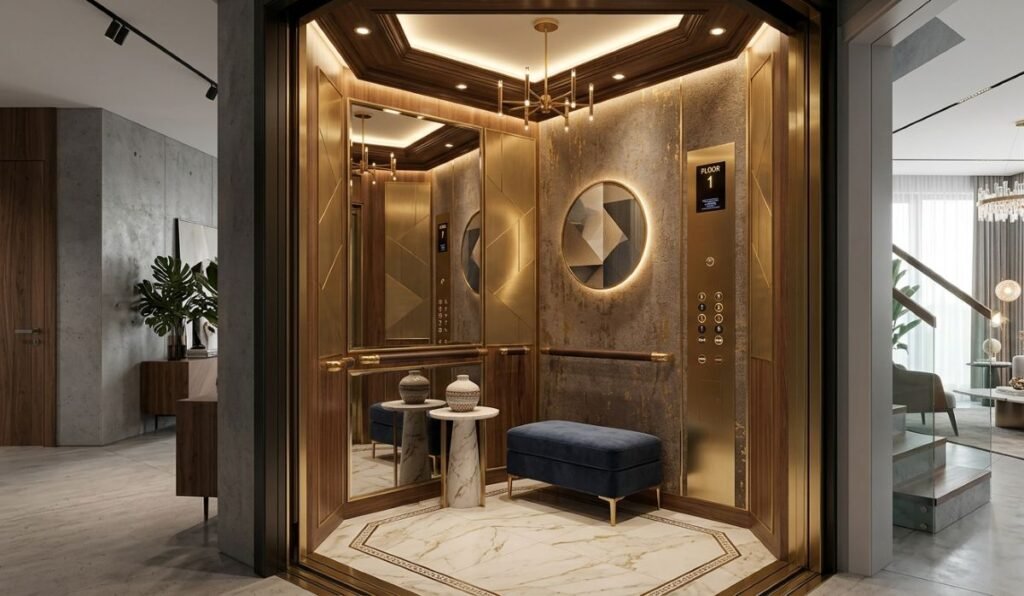
Picture this moment: Your Damascus villa guests step into your home elevator and pause, genuinely impressed. They are not reacting to the elevator function—they are captivated by the hand-carved Syrian walnut paneling that echoes your Ottoman-era staircase, the ambient LED lighting mimicking Damascus sunset hues, and the marble flooring matching your entry hall mosaic. Your elevator has transcended mere vertical transportation to become a moving gallery showcasing Syrian craftsmanship and your refined aesthetic sensibility.
Home elevators are no longer functional utilities hidden behind closed doors. In 2024, residential elevator interior design represents one of the fastest-growing segments of luxury home customization. Elevator interiors now rival living room designs in investment and attention, transforming these vertical spaces into architectural statements that enhance property values while reflecting owner personalities and cultural heritage.
This comprehensive guide reveals interior design ideas specifically adapted for Syrian home elevators. You will discover how Syrian architectural traditions inform modern elevator aesthetics, which materials withstand Syrian climate conditions while delivering stunning visuals, and how to balance international design trends with local cultural preferences. Whether you are building new luxury property in Malki or renovating an established villa in Mezzeh, these interior design strategies ensure your elevator becomes a memorable feature rather than an afterthought.
Understanding Home Elevator Interior Design Principles
Successful elevator interior design transcends decoration to become spatial architecture compressed into intimate dimensions. Unlike expansive living areas where design mistakes disappear into backgrounds, elevator cabs magnify every choice. Every material, color, texture, and lighting decision shapes passenger experience profoundly within these confined spaces.
Modern elevator design philosophy emphasizes creating environments that enhance rather than constrain. Home elevators should feel like natural extensions of surrounding spaces rather than disconnected boxes inserted into buildings. This integration demands careful attention to materials echoing home finishes, lighting complementing ambient conditions, and proportions respecting human scale.
Syrian home elevator design carries additional considerations. Cultural preferences for rich materials, ornate detailing, and warm color palettes shape design decisions. Climate challenges including temperature extremes and dust require material selections prioritizing durability alongside beauty. Understanding these factors prevents expensive redesigns while ensuring elevators age gracefully.
Material Selection: Building Blocks of Elevator Interior Design
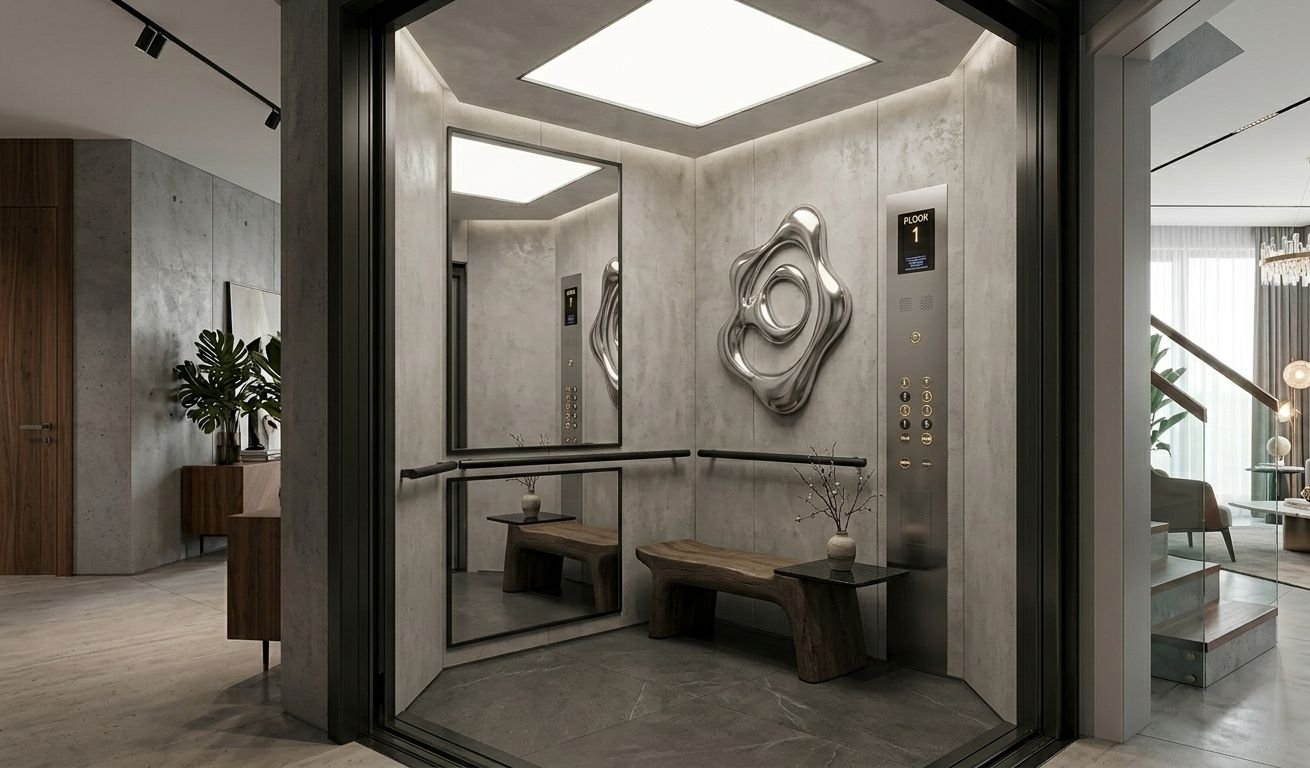
Material choices fundamentally shape elevator interior character while determining long-term maintenance requirements and durability. Syrian conditions demand materials combining aesthetic excellence with practical resilience. The most successful installations balance these competing demands through thoughtful selection informed by climate realities.
Wall Treatments and Paneling
Stainless steel remains the most popular elevator wall material globally for compelling reasons. Its durability withstands daily contact, reflective surfaces enhance perceived space, and minimal maintenance requirements suit busy households. Polished stainless creates mirror-like finishes maximizing light, while brushed surfaces hide fingerprints better and complement contemporary aesthetics.
Wood veneers and solid wood panels bring warmth and luxury to elevator interiors. Syrian walnut, oak, and mahogany prove particularly popular, connecting elevator aesthetics to traditional Syrian furniture craftsmanship. Wood requires proper sealing protecting against moisture and temperature fluctuations common in Syrian homes. UV-protective finishes prevent sun damage in glass elevators with exterior exposure.
Glass panels create stunning visual effects while maintaining spatial openness. Frosted, etched, or back-painted glass offers privacy without sacrificing light transmission. Syrian artisans can create custom etched patterns incorporating traditional geometric designs, Arabic calligraphy, or family crests. Tempered safety glass withstands impacts while meeting elevator safety codes.
Natural stone including marble, granite, and travertine delivers unmatched luxury. Syrian white marble creates bright, sophisticated interiors complementing classical villa architecture. Darker granites provide drama and hide wear better in high-traffic installations. Stone adds significant weight requiring structural calculations ensuring elevator capacity accommodates these premium materials.
Flooring Options for Elevator Interiors
Elevator flooring must balance aesthetics with practical concerns including slip resistance, durability, and maintenance accessibility. Syrian installations face additional dust challenges requiring materials maintaining appearance despite constant exposure to airborne particles tracked from outdoors.
Hardwood or engineered wood flooring matches surrounding home finishes creating visual continuity. Engineered options prove more dimensionally stable than solid wood given Syrian temperature and humidity fluctuations. Rich Syrian walnut or oak floors complement traditional interiors while contemporary finishes suit modern aesthetics. Regular sealing protects wood from moisture and wear.
Marble and stone flooring delivers ultimate luxury matching Syrian preferences for opulent materials. Polished surfaces reflect light beautifully but may become slippery when wet. Honed or brushed finishes provide better traction while maintaining sophisticated appearance. Matching elevator flooring to entry hall materials creates seamless transitions as passengers enter and exit.
Luxury carpet options add warmth and sound absorption to elevator interiors. Low-pile commercial-grade carpets withstand heavy traffic while maintaining appearance. Custom patterns incorporating traditional Syrian motifs personalize spaces. Carpet proves particularly appropriate for residential elevators in quieter neighborhoods where sound dampening enhances privacy.
Lighting Design: Illuminating Elevator Interiors
Lighting transforms elevator interiors from confined boxes into welcoming spaces. Thoughtful illumination enhances materials, creates ambiance, and ensures safety while consuming minimal power. Modern LED systems enable sophisticated lighting schemes impossible with traditional fixtures.
Ceiling Lighting Strategies
Recessed LED ceiling panels provide even, shadow-free illumination suitable for all elevator applications. Dimmable systems adapt lighting intensity to time of day or passenger preferences. Color-temperature adjustable LEDs shift from energizing cool whites during morning hours to relaxing warm tones for evening. Syrian homeowners appreciate traditional warm lighting complementing their interior color palettes.
Perforated ceiling panels combine lighting with ventilation, addressing Syrian climate challenges while creating distinctive visual effects. Tiny perforations emit diffused light creating starfield effects particularly stunning in evening elevator rides. These panels improve air circulation reducing stuffiness common in enclosed elevator cabs.
Suspended ceiling designs with integrated lighting create architectural interest in larger elevator cabs. Multiple lighting zones enable dramatic effects highlighting specific interior features like artwork or decorative panels. Suspended elements add perceived height, making elevators feel more spacious than actual dimensions suggest.
Accent and Ambient Lighting
Wall-mounted sconces add elegance while providing supplementary illumination. Syrian brass or bronze fixtures complement traditional interiors connecting elevator design to broader home aesthetics. Contemporary sconces with minimalist profiles suit modern properties without visual clutter. Placement at eye level creates intimate, welcoming atmospheres.
Cove lighting concealed behind architectural details creates sophisticated ambient glow. LED strips installed above crown molding wash ceilings with soft light expanding perceived space. Under-handrail lighting provides safety illumination while adding contemporary design elements. These hidden sources deliver impact without visible fixtures disrupting clean design lines.
Backlit panels transform elevator walls into luminous features. Translucent materials including onyx, alabaster, or specialty glass glow when illuminated from behind creating dramatic effects. Syrian artisans craft custom Arabic calligraphy or geometric patterns in these materials, celebrating cultural heritage through contemporary lighting technology. Color-changing RGB systems enable mood lighting matching special occasions.
Interior Design Styles for Syrian Home Elevators
Design style selection shapes every subsequent interior decision from materials through fixtures and finishes. Syrian home elevators typically embrace styles reflecting broader architectural contexts while incorporating unique cultural elements distinguishing them from generic international installations.
Classical Syrian Design
Traditional Syrian design celebrates ornate craftsmanship, rich materials, and intricate patterns rooted in Islamic architectural traditions. Elevator interiors featuring hand-carved wood panels, brass fixtures, and geometric tile work connect modern convenience to centuries of Syrian artistic excellence. This approach resonates particularly well in historic Damascus neighborhoods where contemporary homes respect traditional aesthetics.
Wall panels feature traditional Syrian woodworking techniques including marquetry and mother-of-pearl inlay. Artisans create custom patterns incorporating family crests or meaningful Arabic poetry. Ceiling details echo traditional Syrian coffered designs scaled appropriately for elevator dimensions. Brass or bronze accents including handrails, control panels, and decorative elements reinforce period authenticity.
Color palettes favor warm earth tones, deep reds, and rich golds characteristic of Syrian traditional interiors. Lighting emphasizes warmth through amber-toned LEDs or traditional-style fixtures adapted for modern efficiency. These elevators become extensions of classical Syrian living spaces rather than modern intrusions.
Contemporary Minimalist Design
Minimalist elevator interiors emphasize clean lines, neutral palettes, and uncluttered surfaces. This approach suits modern Syrian architecture in new developments where international contemporary styles dominate. Simplicity creates timeless elegance aging gracefully as design trends evolve.
Wall treatments employ single materials in monochromatic schemes. Brushed stainless steel, white lacquered panels, or pale stone create sophisticated neutrality. Minimal visible fixtures and concealed lighting maintain uninterrupted surfaces. Touchscreen control panels integrate seamlessly into walls rather than protruding as visual distractions.
Flooring continues material palettes through matching stone, polished concrete, or light hardwoods. Integrated LED lighting provides functional illumination without decorative fixtures competing for attention. Despite apparent simplicity, minimalist designs demand exceptional material quality and precise installation since nothing masks imperfections.
Luxury Opulent Design
Opulent elevator designs showcase maximum luxury through premium materials, elaborate detailing, and dramatic visual statements. Syrian affluent homeowners particularly appreciate this approach aligning with cultural preferences for visible wealth and generous hospitality. These elevators announce owner status while delivering uncompromising comfort.
Marble or onyx walls with dramatic veining patterns create stunning backdrops. Gold-plated or rose-gold metal accents including handrails, trim, and fixtures add glamorous touches. Chandelier-style ceiling fixtures adapted for elevator dimensions bring jewelry-box elegance. Leather-upholstered bench seating provides comfort during longer rides in multi-story villas.
Mirror ceilings expand perceived space while adding luxury. Mood lighting with color-changing capabilities enables ambiance adjustments for different occasions. Some installations incorporate scent diffusers or sound systems creating multi-sensory experiences. These elevators become moving salons rivaling any room in comprehensive luxury.
Glass Panoramic Design
Panoramic glass elevators represent one of the fastest-growing design trends globally. Transparent or translucent glass walls transform elevators into moving observation platforms while flooding surrounding spaces with natural light. This approach suits Syrian properties with impressive views or architecturally significant atriums.
Full-height glass panels maximize visibility and light transmission. Frameless designs using structural glass create uninterrupted transparency. Tinted or UV-protective glass manages Syrian sunlight intensity preventing cab overheating while maintaining visibility. Privacy glass technologies enable on-demand opacity when desired.
Interior finishes stay minimal allowing exterior views to dominate visual experience. Slim handrails, discrete control panels, and simple flooring avoid competing with surrounding architecture. LED edge lighting creates floating effects at night while maintaining daytime transparency. These elevators celebrate rather than conceal vertical movement.
Custom Features and Personalization
Personalization transforms generic elevators into unique expressions of owner personalities and cultural identities. Custom features range from subtle personalized details to bold artistic statements. Syrian homeowners particularly appreciate opportunities showcasing heritage and individual taste through elevator design.
Artistic Elements and Cultural Expression
Custom artwork transforms elevator walls into moving galleries. Syrian artists create commissioned pieces specifically sized for elevator interiors. Traditional calligraphy panels featuring meaningful Arabic poetry or Quranic verses add spiritual dimensions. Photography showcasing Syrian landscapes or family heritage connects elevators to personal histories.
Digital display screens enable rotating art collections without permanent installation commitments. Families upload photos creating dynamic slideshows visible during elevator rides. Some installations incorporate ambient videos—flowing water, Syrian garden scenes, or abstract patterns—adding movement and interest to confined spaces.
Decorative metalwork incorporating traditional Syrian patterns personalizes functional elements. Custom-designed handrails feature geometric patterns or floral motifs echoing architectural details throughout homes. Control panel surrounds become miniature art pieces rather than utilitarian necessities. These details demonstrate attention to craftsmanship Syrian culture celebrates.
Smart Technology Integration
Modern elevator interiors seamlessly incorporate technology enhancing functionality without compromising aesthetics. Touchscreen control panels integrate into wall surfaces using materials matching surrounding finishes. When inactive, screens display artwork or architectural photography; when activated, controls appear clearly against appropriate backgrounds.
Information displays show weather forecasts, prayer times, family calendar events, or news headlines. Syrian families appreciate these practical features transforming brief elevator rides into productive moments. Entertainment systems enable music streaming from home audio networks, continuing playlists seamlessly as residents move between floors.
Ambient sensors automatically adjust lighting based on time of day and natural light levels. Evening elevator rides trigger warmer, dimmer lighting creating relaxing atmospheres. Morning calls activate brighter, cooler illumination providing gentle wakefulness. Voice control enables hands-free operation convenient when carrying packages or managing children.
Comfort and Accessibility Enhancements
Upholstered seating adds comfort to larger elevator cabs or installations serving elderly family members. Built-in benches along rear walls provide resting spots without obstructing entrance areas. Fold-down seats maximize floor space when not needed while ensuring availability when desired. Leather or high-quality fabric upholstery complements interior design schemes.
Mirrors serve dual purposes expanding perceived space while enabling personal grooming checks before exiting elevators. Full-height mirrors create illusions of doubled dimensions particularly valuable in smaller cabs. Strategically positioned mirrors reflect interesting architectural features or artwork multiplying visual impact.
Handrails positioned at multiple heights accommodate users of varying abilities. Traditional horizontal rails support standing passengers while lower installations assist wheelchair users and children. Heated handrails provide comfort during Syrian winter months. Antibacterial metal coatings address hygiene concerns particularly important for Syrian families hosting frequent guests.
Design Adaptations for Syrian Climate and Conditions
Syrian climate extremes and environmental conditions significantly influence elevator interior design decisions. Temperature swings from freezing winters to scorching summers, intense sunlight, and persistent dust require material selections prioritizing durability alongside aesthetics. Understanding these factors prevents premature deterioration and expensive replacements.
Temperature Management
Elevator cab ventilation becomes critical during Syrian summer months when confined spaces rapidly become uncomfortable. Integrated HVAC systems maintain pleasant temperatures independent of building climate control. Perforated ceiling panels improve air circulation without visible vents disrupting design cohesion. Some luxury installations incorporate air conditioning providing climate-controlled comfort.
Material thermal properties deserve consideration especially for glass elevators receiving direct sunlight. UV-protective glass coatings reduce heat transmission while maintaining transparency. Thermally-efficient materials prevent elevator interiors from becoming ovens during peak afternoon temperatures. Adequate insulation ensures comfortable conditions year-round despite exterior temperature extremes.
Dust and Particle Management
Syrian dust infiltration challenges affect material selection and finish choices. Smooth, non-porous surfaces facilitate cleaning and resist dust accumulation better than textured alternatives. Polished or glazed finishes on stone and metal simplify maintenance compared to matte or rough surfaces trapping particles. Regular cleaning protocols preserve appearance despite constant dust exposure.
Darker color schemes hide dust better than lighter alternatives though Syrian design preferences traditionally favor lighter palettes. Mid-tone materials balance practical maintenance needs with aesthetic preferences. Pattern variety through veined marble or wood grain camouflages dust between cleanings better than solid colors showing every particle.
UV Protection and Fading Prevention
Intense Syrian sunlight causes premature fading of unprotected materials especially fabrics, woods, and painted surfaces. UV-resistant finishes protect wood veneers maintaining original colors for years. Fade-resistant fabrics for any upholstered elements ensure long-term appearance. Glass elevators with exterior exposure require high-performance UV glass preventing interior damage.
Strategic material selection emphasizes inherently UV-stable options. Metals, stone, and glass resist sunlight damage better than organic materials. When woods or fabrics prove essential for design vision, protective treatments and periodic refinishing maintain pristine conditions. Planning for maintenance preserves elevator appearance matching initial installation quality.
Budget Planning for Elevator Interior Design
Elevator interior design costs vary dramatically based on material selections, customization extent, and finish quality. Syrian buyers should establish realistic budgets informed by design priorities while understanding where investments deliver maximum impact. Strategic spending creates stunning results without wasteful overspending on invisible details.
Cost Ranges by Design Tier
Basic elevator interiors featuring standard materials and finishes add 3,000-6,000 dollars to base elevator costs. These installations use quality brushed stainless steel walls, commercial-grade flooring, and simple LED lighting. Results prove functional and attractive though not distinctive or personalized.
Mid-range customization incorporating wood veneers, upgraded lighting, and personalized finishes costs 8,000-15,000 dollars. These designs reflect owner tastes through material choices and custom details while maintaining reasonable budgets. Most Syrian residential elevators fall within this category balancing aesthetics with practical economics.
Luxury installations featuring premium materials, extensive customization, and artistic elements range 20,000-40,000 dollars or more. Marble walls, custom artwork, sophisticated lighting systems, and bespoke fixtures create genuinely unique elevators. High-end Damascus properties justify these investments through enhanced prestige and property values.
Maximizing Design Impact Within Budget
Strategic material allocation focuses investment where passengers actually notice. Eye-level wall treatments receive premium materials while ceiling and floor finishes use quality but less expensive alternatives. This approach delivers luxurious impressions without comprehensive premium material usage. Accent walls featuring expensive stone or wood create focal points while other surfaces remain simpler.
Lighting investments deliver disproportionate impact relative to costs. Well-designed LED systems transform basic materials into compelling compositions through strategic illumination. Syrian buyers achieve dramatic results spending generously on lighting while economizing on finish materials. Custom lighting designs cost 2,000-5,000 dollars but elevate 10,000 dollar interiors to luxury status.
Phased implementation spreads costs over time while establishing infrastructure for future enhancements. Initial installations include basic quality finishes with planned upgrades to premium materials later. Ensuring proper mounting systems and dimensional allowances enables straightforward future material swaps without structural modifications. This flexibility accommodates budget realities while maintaining design visions.
Maintaining Elevator Interior Beauty
Even the most stunning elevator interiors deteriorate without proper maintenance. Syrian climate conditions accelerate wear requiring diligent care preserving initial beauty. Understanding material-specific maintenance needs enables realistic long-term planning and budget allocation for ongoing upkeep.
Regular Cleaning Protocols
Daily or weekly cleaning prevents dust and dirt accumulation damaging delicate finishes. Microfiber cloths remove particles without scratching stainless steel or glass surfaces. pH-neutral cleaners protect wood finishes and stone sealants. Syrian households should establish cleaning routines matching usage intensity and environmental exposure.
Professional deep cleaning quarterly addresses accumulation beyond routine maintenance capabilities. Specialists possess appropriate tools and products for delicate materials including marble polishing, wood conditioning, and metal restoration. These periodic interventions maintain pristine conditions justifying elevator interior investments.
Preventive Maintenance and Repairs
Annual inspections identify developing issues before they become expensive problems. Wood finishes require periodic resealing protecting against moisture and wear. Stone surfaces benefit from professional repolishing removing minor scratches and etching. Metal elements may need buffing or refinishing maintaining original luster.
Replacing damaged elements immediately prevents further deterioration. Cracked glass panels, dented metal trim, or scratched wood panels diminish overall appearance disproportionate to individual component size. Syrian owners should maintain relationships with suppliers ensuring access to matching materials for repairs maintaining design cohesion.
Frequently Asked Questions
What interior design style works best for Syrian home elevators?
The best style aligns with your home architecture and personal preferences. Classical Syrian designs featuring rich woods and traditional patterns suit historic properties. Contemporary minimalism complements modern villas. Luxury opulent styles appeal to Syrian preferences for visible quality. Most successful designs blend international trends with Syrian cultural elements creating unique, locally-appropriate aesthetics.
How much does custom elevator interior design cost in Syria?
Interior design costs range from 3,000 dollars for basic finishes to 40,000 dollars or more for luxury installations. Mid-range customization with quality materials and personalized details typically costs 8,000-15,000 dollars. Factors including material choices, cab size, and customization extent determine final costs. Syrian buyers should budget 15-25 percent of total elevator costs for interior design.
Can existing elevator interiors be redesigned?
Yes, most elevators accommodate interior redesigns without mechanical modifications. Wall panels, flooring, lighting, and fixtures can be replaced updating aesthetics completely. Redesigns typically cost 60-80 percent of new interior design given reduced installation complexity. Syrian homeowners frequently refresh elevator interiors during broader home renovations maintaining aesthetic cohesion throughout properties.
Which materials best withstand Syrian climate conditions?
Stainless steel, natural stone, and properly-sealed wood prove most durable in Syrian conditions. These materials resist temperature extremes, humidity fluctuations, and UV exposure. Avoid untreated fabrics or delicate finishes requiring constant maintenance. Select UV-protective glass for installations receiving direct sunlight. Quality sealants and protective coatings extend material lifespans significantly.
How do I maintain elevator interior appearance?
Establish regular cleaning routines using appropriate products for each material. Daily or weekly dusting prevents accumulation damaging finishes. Schedule professional deep cleaning quarterly addressing wear beyond routine maintenance. Annual inspections identify needed repairs before minor issues become expensive problems. Immediate replacement of damaged components maintains overall appearance.
Should elevator design match surrounding home interiors?
Matching creates visual continuity and integrated feel throughout properties. Coordinate elevator materials, colors, and styles with adjacent spaces. However, elevators can also function as design statements intentionally contrasting surroundings. Syrian homes often feature elevator interiors slightly more formal than living spaces, creating special experiences during vertical transitions.
Can smart technology integrate into traditional elevator designs?
Yes, modern technology integrates seamlessly into traditional aesthetics. Touchscreen controls mount flush within classical wood panels. Voice activation eliminates visible technology entirely. Information displays can mimic traditional Syrian tilework or calligraphy when inactive. Quality integration ensures technology enhances rather than compromises traditional design integrity.
What are the latest trends in home elevator interior design?
Current trends emphasize panoramic glass designs, biophilic elements incorporating natural materials, smart technology integration, and extensive personalization. Sustainability through eco-friendly materials and energy-efficient lighting gains importance. Syrian interpretations blend these global trends with local cultural preferences creating distinctive regional design expressions. Customization enabling personal artistic expression represents the strongest trend across all markets.
Creating Your Elevator Interior Design Masterpiece
Home elevator interior design has evolved from afterthought to art form commanding serious attention and investment from discerning property owners. Syrian homeowners now recognize elevators as opportunities showcasing cultural heritage, personal taste, and commitment to quality throughout every property detail. Well-designed elevator interiors enhance daily experiences while increasing property values and owner satisfaction.
Successful designs balance aesthetics with practicality, international trends with Syrian cultural preferences, and visual impact with budget realities. Material selections must withstand Syrian climate challenges while delivering the beauty homeowners desire. Strategic investment focusing on high-impact elements creates stunning results without wasteful overspending on invisible details.
Whether embracing classical Syrian craftsmanship, contemporary minimalism, or luxury opulence, your elevator interior should reflect your unique vision and requirements. Consider how design integrates with broader home aesthetics, addresses practical maintenance needs, and accommodates future enhancement possibilities. These confined spaces offer remarkable opportunities for creative expression when approached thoughtfully.
The elevator industry transformation continues accelerating with new materials, technologies, and design approaches emerging constantly. Syrian installations today position properties at design forefront while celebrating regional cultural distinctiveness. Investment in exceptional elevator interiors pays dividends through enhanced enjoyment, impressed guests, and increased property values.
Transform Your Elevator Into a Design Statement.
Hard System brings comprehensive expertise designing and implementing stunning home elevator interiors throughout Syria. Our design team combines deep understanding of international elevator interior trends with practical knowledge of Syrian architectural traditions and climate realities. We guide clients through material selection, ensure designs withstand local environmental challenges, and coordinate with Syria finest artisans creating custom elements reflecting your unique vision. From classical Damascus designs celebrating Syrian heritage to contemporary minimalism suiting modern villas, Hard System creates elevator interiors that impress guests and enhance daily living. Our installations balance aesthetic excellence with practical durability, ensuring your elevator remains beautiful for decades. Contact Hard System today schedule your complimentary interior design consultation. Discover how we transform functional elevators into architectural masterpieces celebrating Syrian craftsmanship and your personal style.
External Resources and Design Inspiration
- Residential Elevator Design Trends 2025 – Comprehensive analysis of glass elevators, biophilic design, and customization trends
- Luxury Home Elevator Design Examples – Nine inspiring examples showcasing customization possibilities and design excellence
- Elevator Cab Design Trends 2024 – Five key trends including smart technology, accessibility, and artistic installations