
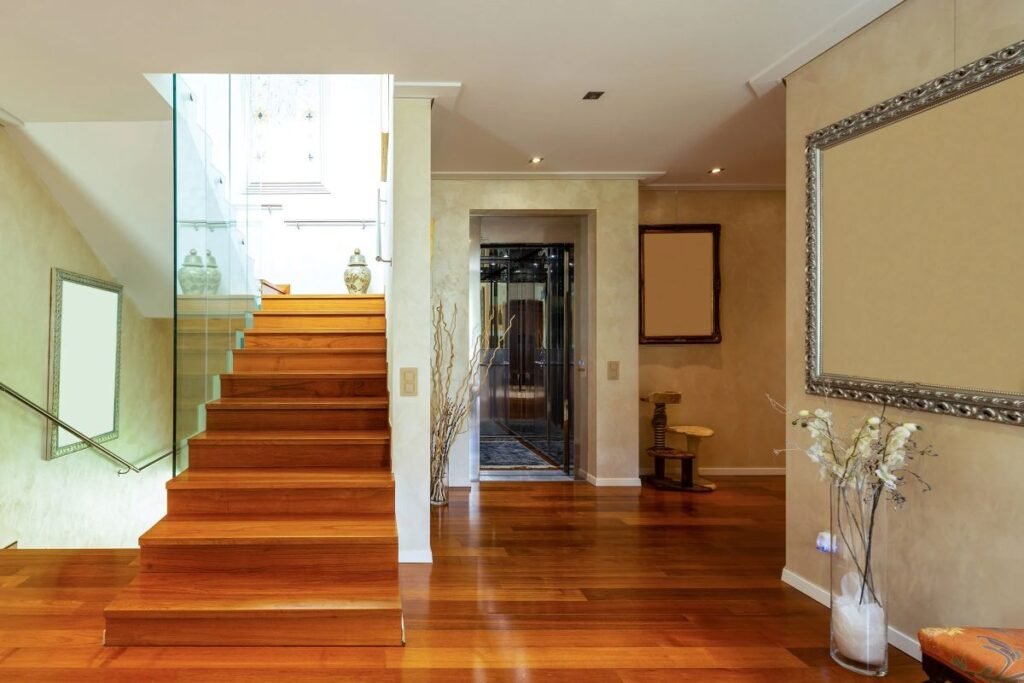
Home Elevator Cost Factors in Syria
Picture this: You’re standing at the base of your Damascus villa’s marble staircase, shopping bags in both hands, contemplating the climb to the third floor. Or perhaps you’re a real estate developer watching Syrian buyers specifically request properties with home elevators, a feature that once seemed like pure luxury but now defines modern premium living.
The Syrian market for residential elevators is experiencing remarkable transformation. The Middle East elevator market was valued at USD 1.25 billion in 2023 and is predicted to reach USD 2.38 billion by 2030, growing at 8.5% annually. But most building owners face this challenge: the home elevator cost question has no simple answer. The price depends on twelve distinct factors, each capable of swinging your investment by thousands of dollars.
This comprehensive guide reveals everything affecting home elevator prices in Syria. From the technical specifications that matter most to Syrian infrastructure challenges like power fluctuations, you’ll discover exactly what drives costs up or down. Whether you’re a homeowner exploring accessibility options or a developer evaluating ROI for premium properties, understanding these cost factors ensures you make informed decisions that balance quality, functionality, and budget.
Understanding the Syrian Home Elevator Market Landscape
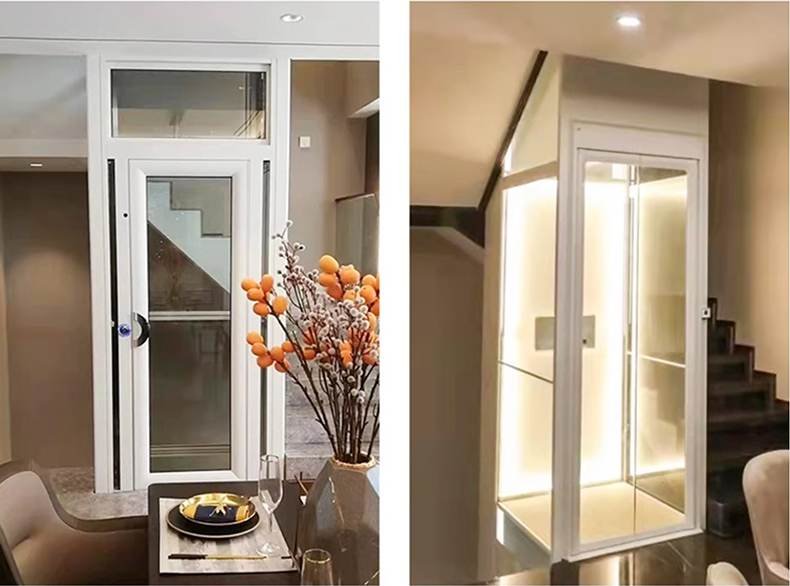
The Syrian elevator market operates within unique regional dynamics. The Middle East market for elevators is forecast to grow at a CAGR of 2.9% reaching 175,000 units and $3 billion by 2035. Syria’s position within this growth trajectory reflects increasing urbanization and reconstruction efforts across major cities.
Damascus, Aleppo, and Homs are witnessing renewed construction activity. Building owners increasingly view home elevators not as luxury add-ons but as essential features that enhance property value and accessibility. Commercial developers recognize this shift, with premium residential projects now incorporating elevator provisions as standard rather than optional features.
The Syrian market faces distinct challenges compared to neighboring countries. Import regulations, currency fluctuations, and part availability create cost variables unique to the local market. Understanding these factors helps stakeholders make realistic budget projections.
Home Elevator Cost: Breaking Down the Investment
Research indicates that home elevator costs typically range from $30,000 to $100,000. However, Syrian market conditions introduce additional considerations that can shift this baseline significantly. The total investment comprises three primary components: equipment costs, installation expenses, and ongoing operational requirements.
Equipment Costs: The Foundation of Your Investment
The elevator unit itself represents 50-65% of total project costs. The average home elevator cost in 2024 is $23,975, with ranges from $5,000 on the lower end to $55,000 on the higher end. Syrian purchasers must factor in import duties, shipping logistics, and currency conversion rates when calculating equipment costs.
Equipment pricing varies dramatically based on technology type. Simpler systems like shaftless elevators cost less upfront but may have capacity limitations. More sophisticated hydraulic or traction systems command premium pricing but deliver enhanced performance and longevity.
Installation Expenses: Where Hidden Costs Emerge
Professional installation can take between one and two weeks, requiring prep work including building the pit, elevator shaft, and locating mechanical components. Syrian installation costs reflect local labor rates, structural modification requirements, and the complexity of integrating modern systems into existing buildings.
Pre-construction assessments reveal the scope of structural work needed. Older Syrian buildings may require significant reinforcement, electrical upgrades, or space modifications. These preparatory expenses can add 30-50% to base installation costs, making professional site evaluation essential before committing to any elevator system.
12 Critical Factors Affecting Home Elevator Cost in Syria
Elevator Type and Technology
Technology selection fundamentally shapes your investment. Cable-driven elevators average around $25,000 and may require an additional $2,000 or more for cable replacements every few years. Different technologies suit different Syrian building contexts.
Hydraulic Elevators use fluid pressure systems, offering smooth operation and reliability. Hydraulic elevators cost between $25,000 to $50,000. They perform well in Syrian climate conditions but require regular hydraulic fluid maintenance.
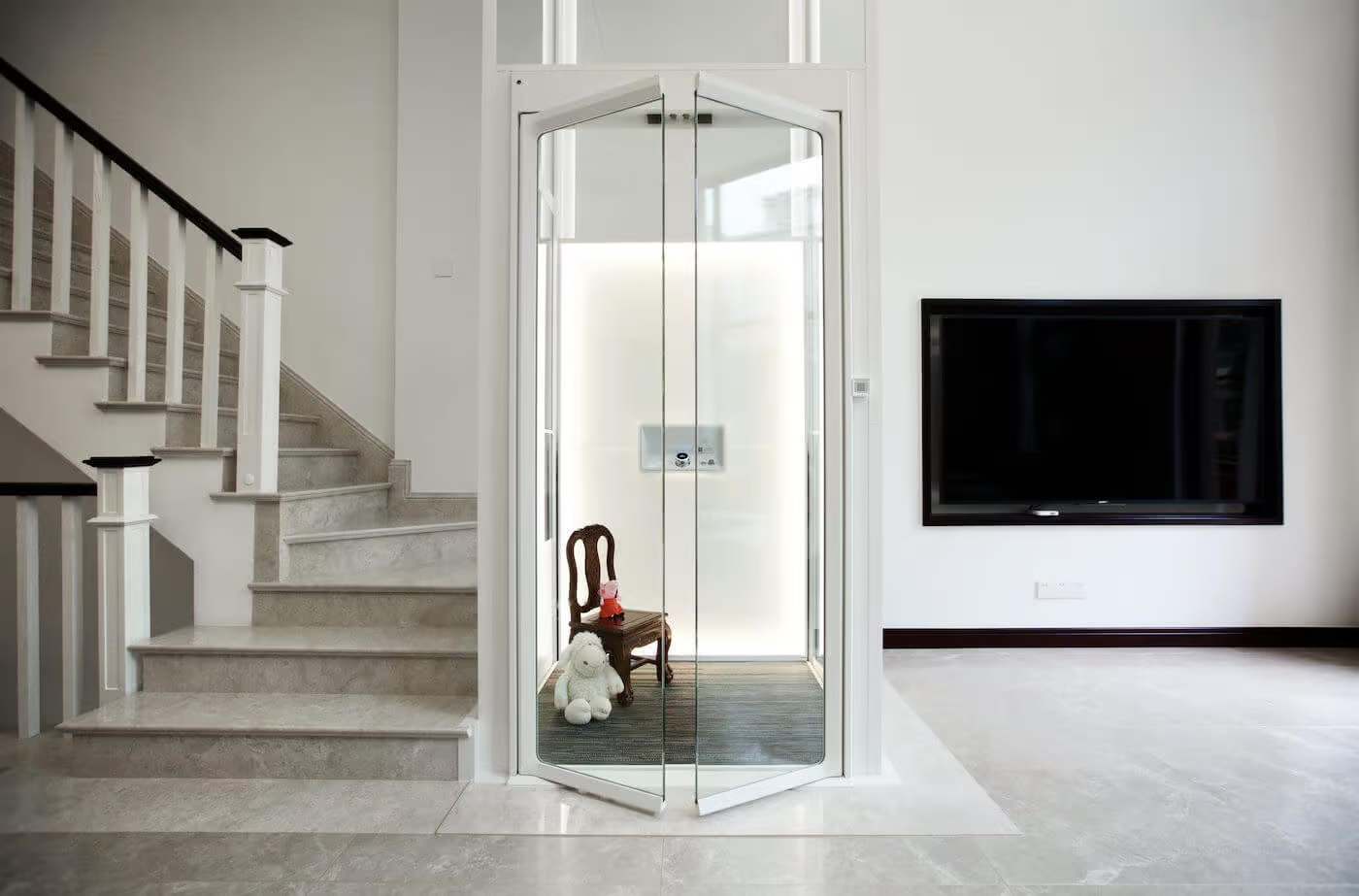
Pneumatic/Vacuum Elevators represent cutting-edge technology with distinctive transparent designs. Pneumatic elevators cost $35,000 to $60,000. These systems require minimal construction disruption, making them ideal for retrofitting existing Syrian homes.
Traction Elevators use counterweights and steel ropes, delivering energy efficiency. Geared traction elevators average around $31,500. For Syrian buildings with unreliable power supply, their lower energy consumption translates to reduced operational costs.
Shaftless Elevators offer compact solutions for space-constrained Syrian homes. Shaftless elevators cost between $15,000 and $25,000. They travel only between two floors but require minimal structural modification.
Number of Floors and Stops
The number of stops directly influences overall price, with each additional floor adding complexity and cost to installation. Syrian multi-story residential buildings commonly range from 3-5 floors. Each additional stop increases shaft height, requires more mechanical components, extends wiring runs, and demands more powerful drive systems.
A three-stop residential elevator in Damascus might cost $40,000-$60,000 installed. The same system extending to five stops could reach $70,000-$90,000. The incremental cost per floor decreases somewhat as you add stops, making the per-floor investment more economical on taller buildings.
Weight Capacity Requirements
Maximum weight ratings vary from 350 pounds to 1,400 pounds, with equipment and riders quickly adding up. Syrian buyers should consider cultural factors like extended family visits, furniture moving requirements, and potential wheelchair or mobility aid needs.
Standard residential capacity (400-500 kg) suits most Syrian homes. Hospital administrators or care facility operators need 680-900 kg capacity systems to accommodate wheelchairs, medical equipment, and attendants. Higher capacity systems require more robust components, larger motors, and reinforced structures, increasing costs by 25-40%.
Cab Size and Interior Finishes
Elevator cab dimensions directly impact cost and functionality. Syrian building codes and accessibility standards increasingly mandate minimum dimensions for new construction. Interior finishing options range from basic painted steel ($2,000-$4,000) to luxury materials like marble, mirrors, or custom wood paneling ($8,000-$15,000).
Additional Critical Factors
Drive System Selection: The drive mechanism determines performance and long-term costs. In areas with electrical fluctuations, hydraulic systems prove more resilient than electronic traction drives.
Construction Type: Retrofitting costs 40-60% more than new construction due to structural modifications, debris removal, and working around occupied spaces.
Shaft and Pit Requirements: Traditional systems require 1.5-2 meter pits. Shaftless designs eliminate these costs for buildings where excavation is difficult.
Electrical and Power Backup: Voltage stabilizers add $1,500-$3,000. Battery backup costs $2,000-$4,000, while generator integration adds $3,000-$6,000.
Safety Features: Enhanced safety packages add $3,000-$7,000 but prevent accidents and ensure reliable operation in challenging infrastructure.
Import Duties and Taxes: Shipping ranges $3,000-$8,000. Customs duties and clearance add 15-25% to equipment costs.
Installation Complexity: Damascus Old City streets, historic preservation requirements, and delivery access challenges increase installation complexity and costs.
Maintenance Contracts: Annual contracts cost $1,200-$2,500. Part availability makes manufacturer selection critical for Syrian conditions.
The ROI of Home Elevators in Syrian Real Estate
Home elevators deliver measurable value beyond mobility convenience. Syrian real estate experts report that properties with elevators command 15-25% premium pricing compared to similar properties without them. Rental properties with elevators achieve higher occupancy rates and justify premium rents.
Multi-generational Syrian families increasingly seek homes accommodating elderly relatives, making elevator-equipped properties highly marketable. Commercial property managers report that elevators reduce vacancy periods and attract higher-quality tenants. The investment pays long-term dividends through enhanced property value, reduced vacancy, and expanded market appeal.
Frequently Asked Questions
What is the average home elevator cost in Syria?
Home elevator costs in Syria typically range from $25,000 to $85,000 depending on type, floors served, and customization. Basic shaftless systems for two floors start around $25,000-$35,000. Standard hydraulic or traction systems for 3-4 floors average $45,000-$65,000. Premium systems with luxury finishes can exceed $85,000.
How long does installation take in Syria?
Professional installation typically requires 2-4 weeks for straightforward projects. Complex retrofits may extend 4-8 weeks. Factors include structural modifications, permit approvals, equipment delivery, and installer scheduling.
Do home elevators increase Syrian property values?
Yes, significantly. Properties with elevators command 15-25% premium pricing compared to similar properties without elevators. Damascus and Aleppo premium areas show strongest value increases. Rental properties achieve higher occupancy and justify premium rents.
What are the ongoing maintenance costs?
Annual maintenance contracts cost $1,200-$2,500 covering inspections, preventive maintenance, and emergency repairs. Additional expenses include electricity ($200-$500 annually), parts replacement, and safety inspections.
Can existing homes accommodate elevators?
Most existing homes can accommodate elevators, though retrofitting costs more. Structural engineers assess load-bearing capacity and design necessary modifications. Shaftless systems offer easier retrofitting with minimal structural changes.
Which elevator type works best for Syrian power conditions?
Hydraulic and simple traction systems perform more reliably given Syrian power fluctuations. Systems with wide voltage ranges, surge protection, and mechanical safety features tolerate imperfect power better. Battery backup enables functionality during outages.
Conclusion: Make Informed Investment Decisions
Understanding home elevator cost factors empowers Syrian building owners, developers, and homeowners to make confident investment decisions. The $25,000-$85,000 range reflects variation based on technology, customization, and site requirements. Transparent evaluation of all twelve factors prevents budget surprises and ensures realistic planning.
Syrian market challenges including power quality, import complexities, and part availability demand careful supplier selection. However, the benefits—enhanced accessibility, increased property value, and improved quality of life—justify the investment. Strategic planning and partnering with experienced installers maximize value while controlling costs.
The Syrian elevator market growth reflects increasing recognition of elevators as essential infrastructure rather than luxury amenities. Whether enhancing residential comfort, improving commercial property competitiveness, or ensuring healthcare facility accessibility, home elevators deliver measurable returns.
Ready to explore home elevator options for your Syrian property? Hard System’s expert team provides comprehensive consultations assessing your requirements, recommending systems, and delivering transparent cost estimates. We handle everything from planning through installation and maintenance, ensuring your elevator delivers decades of reliable service. Contact Hard System today to schedule your free site evaluation.