
How to Choose The Best Home Elevators for Villas?
Imagine this: Your architect just unveiled the final designs for your Damascus hillside villa. Three stories of stunning architecture, panoramic city views, imported Italian marble throughout. But as you envision daily life there—carrying groceries to the third floor, your aging parents visiting, moving furniture during the inevitable redecorating—a critical question emerges: which home elevator belongs in this masterpiece?
The global villa elevator market was valued at USD 95.10 billion in 2023 and is projected to reach USD 139.28 billion by 2030, growing at 5.75% annually. In Syria, discerning villa owners face a unique challenge: selecting elevators that combine luxury aesthetics with the resilience to handle power fluctuations, part availability constraints, and extreme climate variations.
This comprehensive guide reveals the best home elevator options for Syrian villas in 2026. You will discover which technologies deliver both prestige and reliability, which features matter most for your specific property type, and how to avoid costly mismatches between elevator capabilities and Syrian infrastructure realities. Whether you are building a new luxury villa in Malki or upgrading an established property in Mezzeh, understanding these selections ensures your elevator enhances rather than compromises your investment.
Understanding the Villa Elevator Market in 2026
The villa elevator market is experiencing unprecedented transformation. The global market is projected to grow from USD 2.3 billion in 2023 to USD 4.9 billion by 2032, representing a compound annual growth rate of 8.4 percent. This explosive growth reflects fundamental shifts in how affluent homeowners view vertical transportation.
Modern villa elevators transcend mere functionality. They function as architectural statements, property value enhancers, and lifestyle enablers. Syrian villa owners increasingly demand elevators that seamlessly integrate with interior design while providing Swiss-watch reliability despite challenging local infrastructure conditions.
Three primary factors drive Syrian villa elevator selection: aesthetic integration with luxury interiors, robust performance amid power quality challenges, and long-term part availability. Understanding these priorities shapes every subsequent decision about technology type, features, and supplier selection.
Types of Villa Elevators: Finding Your Perfect Match
Selecting the optimal elevator type fundamentally shapes your villa experience. Each technology offers distinct advantages and limitations that become particularly relevant in Syrian operating conditions. Understanding these nuances prevents expensive mismatches between expectations and reality.
Hydraulic Villa Elevators: Power and Reliability
Hydraulic systems dominate Syrian villa installations for compelling reasons. These elevators use fluid-powered pistons to achieve smooth, powerful vertical movement. Their mechanical simplicity translates to remarkable resilience when facing power fluctuations common in Syrian electrical infrastructure.
Hydraulic elevators typically cost between 23,000 and 28,000 pounds for standard installations. They excel in Syrian climate conditions, maintaining consistent performance from freezing winter mornings to scorching summer afternoons. Their heavy-duty construction supports larger cab sizes and higher weight capacities, ideal for villa owners who entertain frequently or move substantial furniture pieces.
The primary consideration involves hydraulic fluid maintenance. Syrian temperature extremes affect fluid viscosity, requiring periodic monitoring and potential fluid changes. However, this maintenance burden pales compared to the reliability advantages hydraulic systems provide in challenging electrical environments.
Traction Elevators: Energy Efficiency Meets Performance
Traction elevators utilize steel ropes and counterweights to deliver smooth, energy-efficient operation. For Syrian villa owners concerned about operational costs, traction systems offer compelling economics. Their reduced power consumption becomes particularly valuable during periods of expensive generator operation.
Modern machine-room-less traction elevators eliminate traditional equipment rooms, freeing valuable villa space for living areas. These systems start around 35,000 dollars and scale upward based on customization. Their whisper-quiet operation appeals to villa owners prioritizing peaceful home environments.
Syrian installations must account for rope maintenance in dusty conditions. Regular inspection and appropriate lubrication extend rope lifespan and maintain smooth operation. Quality traction systems from established manufacturers prove remarkably reliable when properly maintained.
Pneumatic Vacuum Elevators: Modern Luxury Redefined
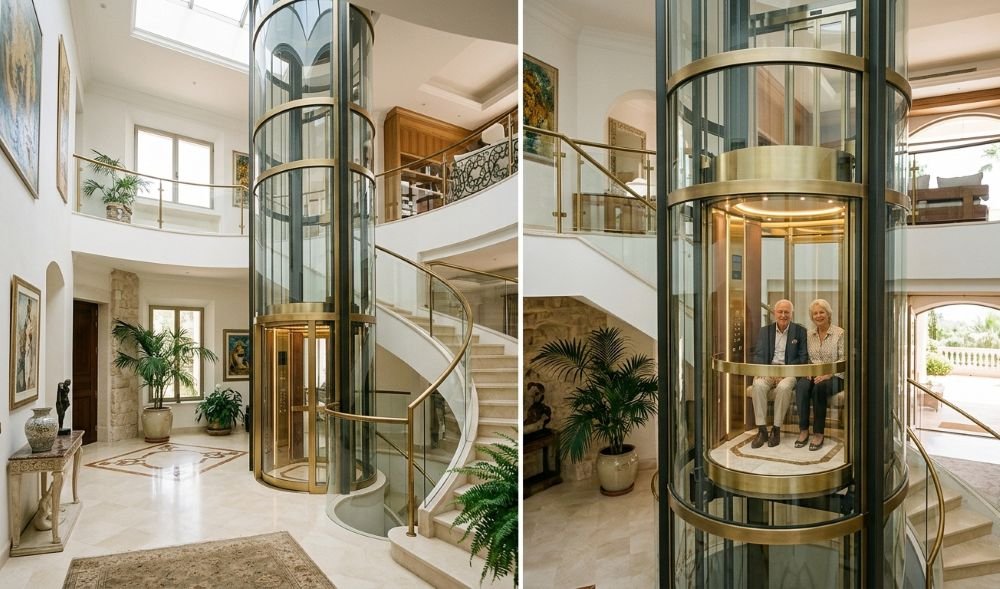
Pneumatic elevators represent the cutting edge of villa elevator design. These transparent cylinders use air pressure differential to move passengers between floors, creating dramatic visual statements. The Nibav Series III and Series IV models exemplify this technology, offering curved glass chambers that become architectural focal points.
Pneumatic systems cost between 35,000 and 60,000 dollars, positioning them as premium options. Their glass construction maximizes natural light penetration while providing 360-degree views. Syrian villa owners appreciate their minimal construction requirements—no pit, no machine room, no dedicated shaft.
However, pneumatic elevators face limitations in Syrian contexts. Their air-sealing requirements demand meticulous installation quality. Dust infiltration can compromise performance. Their weight capacities typically restrict usage to 2-3 passengers maximum, potentially limiting functionality for large families or frequent entertaining.
Glass Panoramic Elevators: Luxury Meets Visibility
Glass panoramic elevators transform vertical movement into visual experiences. These systems feature floor-to-ceiling transparent panels that showcase villa architecture while flooding interior spaces with natural light. Starting at approximately 80,000 dollars, they represent significant investments in both function and form.
Syrian villa installations particularly benefit from panoramic designs in properties with stunning views—Damascus hillside locations, Lattakia coastal estates, or Palmyra desert retreats. The elevators themselves become moving observation platforms, enhancing property value while providing practical transportation.
Glass elevators require careful consideration of Syrian climate extremes. Thermal insulation becomes critical for passenger comfort during summer heat. UV-resistant glazing prevents interior fading. Quality installation ensures weatherproofing that withstands dust storms and temperature fluctuations.
Shaftless Through-Floor Elevators: Space-Saving Solutions
Shaftless elevators excel when retrofitting elevators into existing villas. These systems travel directly through floor cutouts without traditional shaft enclosures. Pricing ranges from 35,000 to 60,000 dollars, offering cost advantages over shaft-based alternatives.
Syrian villa owners appreciate shaftless designs when construction disruption must be minimized. Installation timelines compress significantly compared to traditional elevators. Historic Damascus properties particularly benefit, as shaftless systems preserve architectural integrity while adding modern convenience.
These elevators typically serve two to three floors maximum. Their compact footprints suit smaller villas or secondary elevator installations. Consider shaftless systems when primary elevators handle main living areas while secondary units serve private wings or guest quarters.
Essential Features for Syrian Villa Elevators
Feature selection separates adequate elevators from exceptional ones. Syrian villa owners must prioritize features that address local infrastructure challenges while delivering the luxury experience their properties deserve. Understanding these priorities prevents expensive retrofitting or performance disappointments.
Power Quality Management
Syrian electrical infrastructure presents unique challenges requiring robust power management solutions. Quality villa elevators incorporate wide voltage operating ranges, typically 180-260V single-phase or 320-440V three-phase. Integrated surge protection prevents damage from power spikes common during grid switching.
Battery backup systems ensure functionality during outages. Premium installations include uninterruptible power supplies supporting multiple trips to safely return passengers to ground level. Generator integration with automatic transfer switches provides unlimited operation during extended outages, critical for Syrian infrastructure realities.
Smart Home Integration
Modern villa elevators integrate seamlessly with smart home systems. Touchless controls using smartphone apps or voice commands enhance convenience while reducing surface contact. IoT connectivity enables remote monitoring, predictive maintenance alerts, and usage pattern tracking.
Syrian villa owners benefit from destination dispatch systems that optimize elevator routing when multiple family members summon service simultaneously. Access control integration with home security systems restricts floor access to authorized users, particularly valuable for multi-generational households with privacy considerations.
Climate Adaptation
Syrian temperature extremes from freezing winters to 45-degree summers demand climate-resilient elevator systems. Enhanced cooling for electrical components prevents shutdowns during peak heat. Cab ventilation and optional air conditioning ensure passenger comfort regardless of outdoor conditions.
Dust-sealed control cabinets protect sensitive electronics from Syria sandstorms and general airborne particles. Hydraulic systems using synthetic fluids maintain consistent viscosity across temperature ranges. Climate-appropriate lubricants ensure smooth mechanical operation year-round.
Safety and Security Features
Premium villa elevators exceed minimum safety requirements. Door interlocks prevent operation with open entrances. Emergency brakes engage automatically if speed exceeds safe limits. Two-way communication systems enable passengers to contact help during emergencies.
Syrian installations benefit from earthquake-resistant designs given regional seismic activity. Overload sensors prevent operation beyond weight limits. Emergency lighting and ventilation activate during power failures. Automatic rescue devices return elevators to nearest floor and open doors safely.
Design Excellence: Making Your Elevator a Showpiece
Villa elevators transcend functional transportation to become defining architectural elements. The most successful installations transform elevators into visual focal points that enhance overall property aesthetics while maintaining perfect operational excellence.
Interior Customization Options
Premium cab interiors offer unlimited customization potential. Syrian villa owners select from materials including marble matching villa flooring, exotic woods echoing architectural millwork, stainless steel for contemporary aesthetics, or custom leather and suede for ultimate luxury.
Ceiling treatments range from recessed LED lighting panels to crystal chandeliers scaled for cab dimensions. Mirror installations enhance perceived space while serving functional purposes. Digital art screens or backlit photography transform cab interiors into rotating galleries displaying family photos or curated artwork.
Architectural Integration Strategies
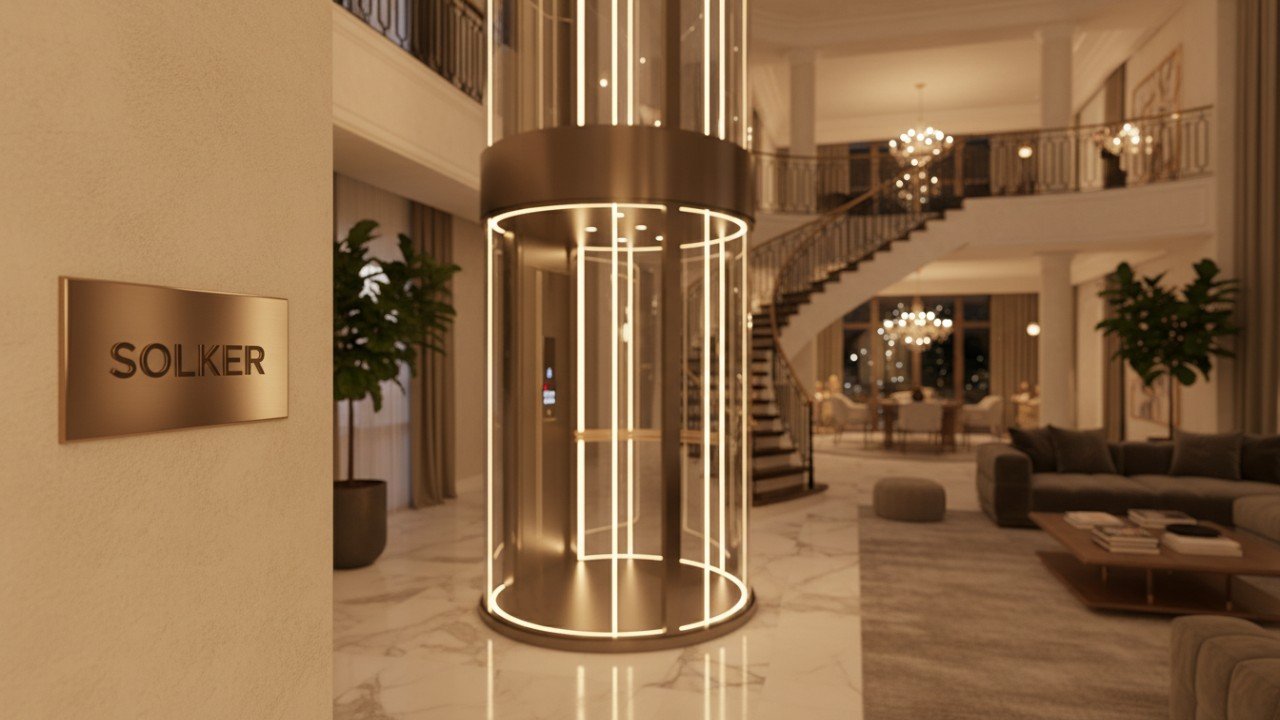
Successful villa elevator installations consider broader architectural context. Centrally-located glass shafts become sculptural elements visible from multiple floors. Atrium placements maximize natural light penetration while creating dramatic vertical vistas. Staircase-adjacent installations complement existing circulation patterns.
Syrian architectural traditions favor symmetry and visual balance. Elevator placements respecting these principles feel integrated rather than retrofitted. Working with architects during design phases ensures elevator shafts enhance rather than compromise spatial flow.
Lighting Design
Elevator lighting significantly impacts user experience. Warm LED systems create inviting atmospheres while consuming minimal power. Color-changing capabilities adapt mood to time of day or special occasions. Emergency lighting systems ensure visibility during power outages.
Natural light integration maximizes glass elevator advantages. Syrian villa owners position transparent shafts to capture morning sun or dramatic sunset views. Light wells above elevator shafts bring natural illumination to interior spaces while highlighting elevator architectural presence.
Right-Sizing Your Villa Elevator
Elevator capacity and dimensions fundamentally shape long-term satisfaction. Syrian villa owners must balance practical requirements against available space and budget constraints. Understanding these tradeoffs prevents costly undersizing or wasteful oversizing.
Passenger Capacity Considerations
Standard villa elevators accommodate 3-6 passengers with weight capacities from 400-900 kilograms. Syrian families should consider maximum occupancy during gatherings, not typical daily usage. Extended family visits during holidays or celebrations drive peak capacity requirements.
Wheelchair accessibility demands minimum 1.1-meter cab width and 1.4-meter depth. Larger cabs permit wheelchair users plus attendants. Syrian villa owners planning aging-in-place should specify accessibility features now rather than expensive retrofitting later.
Furniture and Large Item Transport
Syrian villa elevators frequently transport more than passengers. Consider dimensions needed for moving artwork, furniture, or appliances between floors. A cab measuring 1.0 by 1.2 meters accommodates most residential furniture. Larger 1.5 by 1.8-meter cabs handle virtually any household item.
Door width critically impacts what enters the cab. Standard 800mm doors suit most purposes. Wider 1000mm doors provide flexibility for oversized items. Some villa owners specify dual-entry designs allowing furniture loading from optimal floor access points.
Installation Excellence in Syrian Villas
Installation quality determines elevator longevity and performance. Syrian projects face unique challenges requiring experienced installation teams who understand both international elevator standards and local infrastructure realities.
Timeline and Project Phasing
New construction villa elevator installations typically require 3-4 weeks from site preparation through final commissioning. Retrofit projects extend to 6-8 weeks depending on structural modification complexity. Syrian villa owners should coordinate elevator installation with other construction trades to minimize conflicts.
Equipment delivery from international suppliers adds 4-8 weeks for customs clearance and inland transportation. Planning installations during construction phases rather than post-occupancy prevents disruption to established household routines. Buffer time for unexpected delays prevents rushed installations compromising quality.
Structural Requirements
Villa elevators impose significant structural loads requiring proper engineering. Shaft walls must support lateral forces during operation. Overhead structures carry machinery and cable loads. Pit foundations bear entire system weight plus dynamic loading.
Syrian building codes increasingly mandate seismic design for critical systems including elevators. Structural engineers calculate required reinforcement ensuring safe operation during earth tremors. Quality installations exceed minimum requirements providing additional safety margins.
Investment Analysis: Villa Elevator Costs in 2026
Understanding complete cost structures prevents budget surprises and enables informed decision-making. Syrian villa elevator investments encompass equipment, installation, ongoing operation, and long-term maintenance. Transparent cost analysis reveals true ownership economics.
Equipment and Installation Costs
Home elevator prices start at 35,000 dollars and can exceed 80,000 dollars depending on floors served, cab design, and technology. Basic hydraulic systems for three-stop installations begin around 40,000 dollars. Premium panoramic glass elevators reach 100,000 dollars or more with extensive customization.
Syrian purchasers must account for import duties adding 15-25 percent to equipment costs, shipping expenses ranging 5,000-10,000 dollars, and customs clearance fees. Currency exchange rate fluctuations introduce additional variability requiring contingency budgeting.
Operational Economics
Annual operating costs vary by elevator type and usage intensity. Hydraulic systems consume more power than traction alternatives but prove more reliable in Syrian power conditions. Typical residential usage costs 300-600 dollars annually in electricity consumption.
Maintenance contracts cost 1,500-3,000 dollars annually covering regular inspections, preventive maintenance, and priority emergency service. Syrian villa owners should budget additional contingency for unscheduled repairs or component replacement due to part availability challenges.
Return on Investment
Villa elevators significantly enhance property values. Real estate experts estimate 15-30 percent value premiums for elevator-equipped properties compared to similar homes without them. Syrian luxury property markets particularly reward elevator installations in premium neighborhoods.
Beyond financial returns, elevators enable aging-in-place, avoiding expensive future relocations to single-story properties. Accessibility improvements accommodate family members with temporary or permanent mobility challenges. These lifestyle benefits often exceed pure financial considerations.
Maintaining Excellence: Service and Support in Syria
Elevator longevity depends fundamentally on maintenance quality. Syrian installations require service approaches accounting for part availability constraints, technician expertise levels, and infrastructure challenges. Strategic maintenance planning prevents expensive breakdowns and extends system lifespan.
Preventive Maintenance Protocols
Quality maintenance contracts specify monthly inspections covering mechanical systems, electrical components, safety devices, and control systems. Technicians lubricate moving parts, adjust door operations, test emergency systems, and verify proper leveling. Regular attention prevents minor issues escalating into major failures.
Syrian climate conditions accelerate certain wear patterns. Dust infiltration requires more frequent filter cleaning and seal inspection than temperate climates. Temperature extremes affect hydraulic fluid properties necessitating seasonal monitoring. Comprehensive maintenance addresses these Syria-specific factors.
Parts Availability Strategy
Part availability challenges in Syrian market conditions demand proactive strategies. Villa owners should stockpile critical components including control boards, door operators, and common wear items. Establishing relationships with suppliers who maintain regional inventory reduces downtime during repairs.
Selecting elevator systems from manufacturers with established Middle Eastern distribution networks proves critical. European and Japanese brands typically maintain better parts availability than lesser-known manufacturers. This consideration often justifies premium pricing through reduced long-term operational risk.
Frequently Asked Questions
What is the best type of home elevator for Syrian villas?
Hydraulic elevators typically perform best in Syrian conditions due to their tolerance of power fluctuations and temperature extremes. For luxury villas emphasizing aesthetics, panoramic glass elevators combining traction technology with stunning design offer excellent compromises. The optimal choice depends on your specific priorities balancing reliability, aesthetics, and budget.
How much does a villa elevator cost in Syria?
Complete villa elevator installations in Syria range from 50,000 to 120,000 dollars including equipment, import duties, installation, and initial commissioning. Basic hydraulic systems for three stops start around 50,000-65,000 dollars. Premium panoramic or pneumatic elevators with extensive customization reach 100,000-120,000 dollars. Additional costs include power backup systems and structural modifications.
Can villa elevators operate during Syrian power outages?
Yes, with proper backup systems. Battery backup solutions enable 3-5 trips during typical outages, sufficient to return passengers to ground level safely. Generator integration with automatic transfer switches provides unlimited operation during extended outages. Most Syrian villa installations include battery backup as standard given infrastructure challenges. Generator connectivity adds 5,000-8,000 dollars to project costs.
How long does villa elevator installation take?
New construction installations typically require 3-4 weeks from site preparation through commissioning. Retrofit projects in existing villas extend to 6-8 weeks due to structural modification requirements. Equipment delivery from international suppliers adds 6-10 weeks for shipping and customs clearance. Total project timelines from order to operation range 10-16 weeks for new construction and 12-18 weeks for retrofits.
Do villa elevators require special permits in Syria?
Yes, villa elevator installations require building permits, structural engineering approvals, and electrical compliance certifications. Municipal regulations vary by jurisdiction. Professional installers typically handle permit applications and inspection coordination. Budget 1,000-2,500 dollars for permitting costs and allow 2-4 weeks for approval processes. Working with experienced local contractors familiar with Syrian regulations prevents delays.
Which villa elevator brands are most reliable in Syrian conditions?
Manufacturers with established Middle Eastern presence including Schindler, Otis, KONE, and ThyssenKrupp provide excellent parts availability and service support. Turkish manufacturers like Asansör offer competitive quality at favorable pricing with better regional logistics. Italian and German brands deliver premium quality but may face longer parts lead times. Prioritize manufacturers with Syrian or regional service networks over lowest purchase price.
Can existing villas accommodate elevator installation?
Most villas can accommodate elevator retrofits though costs exceed new construction installations by 40-60 percent. Structural engineers assess load-bearing capacity and design required reinforcement. Shaftless systems minimize construction disruption for two-story retrofits. Three-story or taller installations typically require traditional shaft construction. Historic Damascus villas may face additional preservation requirements affecting design options.
How much space does a villa elevator require?
Minimum shaft dimensions depend on elevator type and capacity. Standard residential elevators require 1.5 by 1.8-meter shaft footprints for 4-6 passenger capacity. Smaller 1.2 by 1.4-meter shafts accommodate 2-3 passengers. Machine-room-less systems eliminate separate equipment rooms saving additional space. Shaftless elevators require only floor cutout dimensions matching cab size. Comprehensive planning during architectural design optimizes space utilization.
Making Your Villa Elevator Decision
Transform Your Villa with the Perfect Elevator Solution. Hard System brings decades of expertise installing and maintaining premium elevators throughout Syria. Our team combines deep knowledge of international elevator technologies with comprehensive understanding of Syrian infrastructure challenges. We guide villa owners through every decision—from initial technology selection through installation completion and ongoing maintenance excellence. Our relationships with premium manufacturers ensure access to the finest elevator systems while our local expertise guarantees reliable, long-term performance. Contact Hard System today to schedule your complimentary villa elevator consultation. Discover how we transform vertical transportation into architectural statements that enhance your property value and lifestyle for decades.
External Resources and Statistics
- Villa Elevator Market Size and Growth Statistics – Market valued at USD 95.10 Billion in 2023, projected to reach USD 139.28 Billion by 2030
- Global Villa Elevator Market Forecast 2024-2032 – Market expanding from USD 2.3 billion to USD 4.9 billion at 8.4% CAGR
- Best Home Elevators of 2024 – Retirement Living – Comprehensive guide to residential elevator types and features