The High Cost of Shortcuts
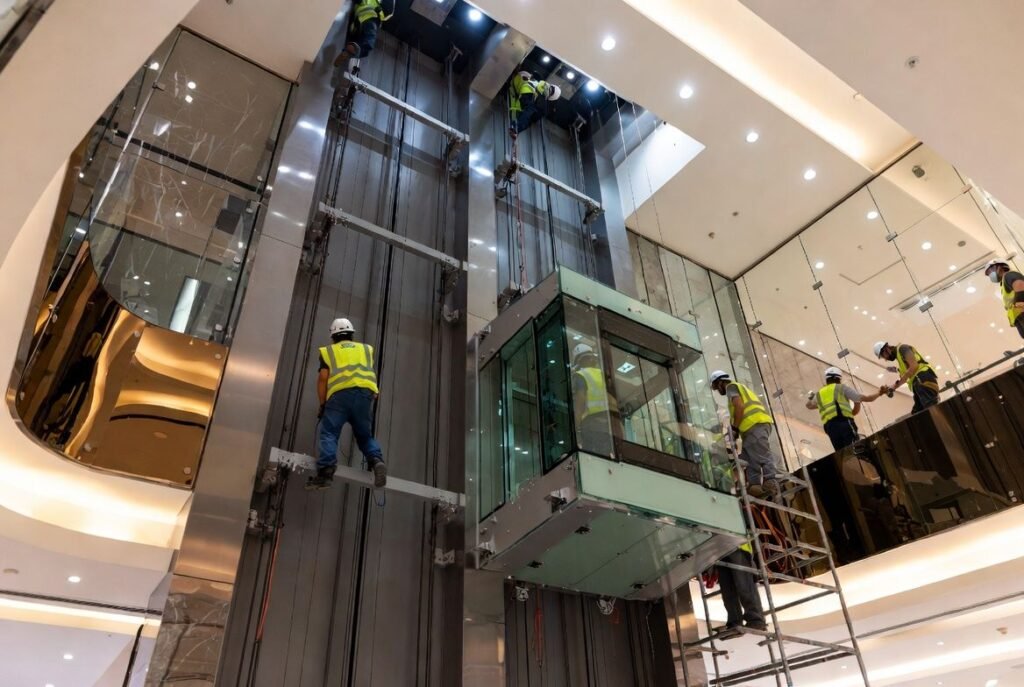
In the fast-moving construction landscape of Damascus, avoiding Elevators Installation Mistakes is not optional it’s critical. Cutting corners during elevator installation is never a minor issue; it’s a costly mistake. What may seem like a small oversight in planning or execution can quickly escalate into failed inspections, expensive rework, and even voided manufacturer warranties.
Developers and contractors often underestimate how sensitive elevator systems are to structural precision, electrical stability, and regulatory compliance. One miscalculation can delay project handover and damage your reputation.
With over a decade of zero-failure project delivery, Hard System helps developers eliminate these risks by ensuring every installation is executed correctly from the start.
Structural & Civil Oversights: Elevators Installation Mistakes to Avoid
Incorrect Shaft Dimensions & Lack of Plumbness
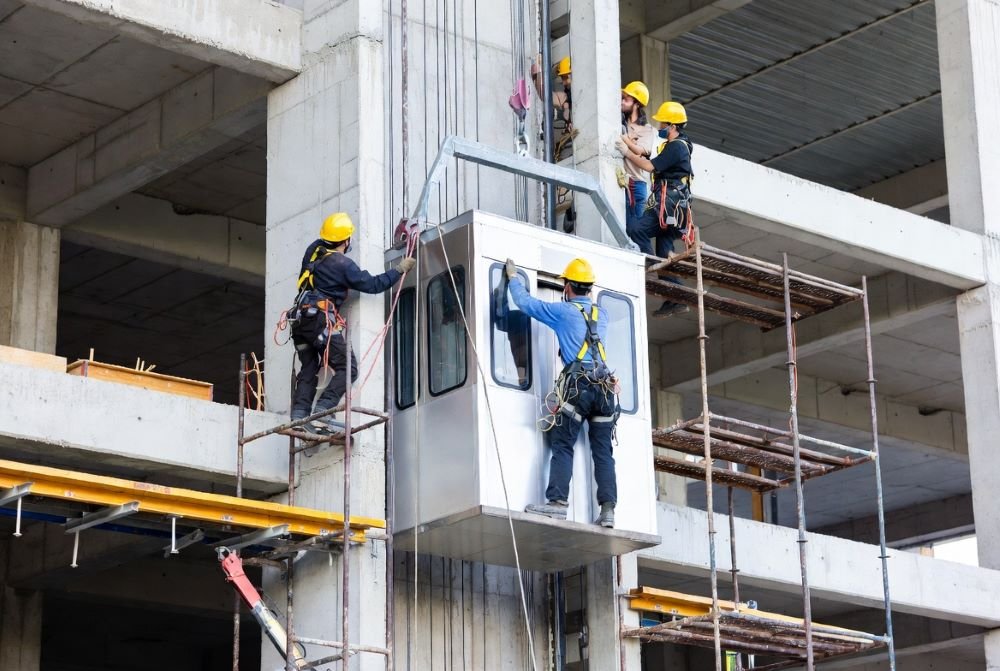
A common yet critical mistake is constructing an elevator shaft that is not perfectly vertical. Even slight deviations from plumb can lead to long-term mechanical issues such as uneven rail wear, excessive vibration, and noisy operation.
In Damascus, where concrete settling and shifting are relatively common, this issue becomes even more pronounced. Without proper correction, these structural flaws can compromise the entire system.
Hard System addresses this early by conducting precise laser-alignment surveys before installation begins. Additionally, we perform post-settlement audits to ensure the shaft meets exact specifications before equipment is installed.
Neglecting Pit Waterproofing & Drainage
Water infiltration in the elevator pit is another costly oversight. Moisture exposure leads to corrosion of essential safety components such as buffers and tension weights, significantly reducing system lifespan and reliability.
Given the groundwater challenges in many Syrian basements, this is not a rare problem it’s an expected risk.
That’s why Hard System enforces tanking-grade waterproofing standards prior to equipment delivery. Proper drainage and sealing ensure long-term protection and prevent premature failures.
Power & Electrical Failures: Elevators Installation Mistakes to Avoid
Failing to Integrate ARD and UPS Systems
In Damascus, power outages are part of daily life. Installing an elevator without an Automatic Rescue Device (ARD) is not just a technical oversight it’s a safety hazard.
An ARD ensures passengers can safely exit the elevator during a blackout, while a high-quality UPS protects sensitive inverter boards from voltage fluctuations and spikes.
Hard System designs and installs industrial-grade backup solutions specifically tailored to Syria’s unstable electrical grid, ensuring both safety and equipment longevity.
Inadequate Machine Room Ventilation
High summer temperatures in Damascus, often exceeding 40°C, can cause elevator drive units to overheat. Without proper ventilation or cooling systems, this leads to frequent shutdowns and reduced equipment lifespan.
The machine room is essentially the “brain” of the elevator system, and temperature control is critical for its performance.
Hard System provides detailed guidance on airflow design and thermal management, helping clients avoid unnecessary downtime and costly repairs.
Compliance & Safety Standards (EN 81-20/50)
The Global Standard in Syria
One of the most serious mistakes developers make is ignoring international safety standards. Even if local enforcement varies, compliance with EN 81-20/50 ensures the highest level of passenger safety and system reliability.
Hard System strictly adheres to these European standards in every project, regardless of building size or budget.
Component Quality Matters
Using uncertified or “generic” safety components is a major risk. These parts often fail to meet the requirements of the Syrian National Building Code and can lead to inspection failures or dangerous malfunctions.
Hard System sources only certified, high-quality components to ensure full compliance and long-term performance.
Post-Installation Testing
A proper installation doesn’t end when the elevator starts running. Rigorous testing is essential.
Every Hard System project includes a comprehensive 50-point safety inspection, including full-load testing and drop tests, ensuring the system performs safely under all conditions.
Step-by-Step Pre-Installation Checklist
To avoid costly mistakes, a structured approach is essential:
Phase 1 — Audit
Review structural drawings before concrete is poured to ensure shaft dimensions and alignment are correct.
Phase 2 — MEP Rough-in
Confirm that dedicated 3-phase power is properly routed and compatible with elevator requirements.
Phase 3 — Safety Guarding
Secure open shafts during construction to prevent accidents and ensure compliance with site safety regulations.
Read our Guide about elevator installation steps
FAQ
How do I prevent my elevator from getting stuck during a blackout?
By integrating ARD systems and properly sized backup generators, you ensure safe operation during power outages.
Is it possible to fix a shaft that was built too small?
Yes, options include Machine Room-Less (MRL) systems or custom-designed car sizes, though these solutions may increase costs.
What is the most common cause of inspection failure in Syria?
Incomplete or non-compliant safety documentation is one of the leading reasons projects fail inspections.
Local Context & Damascus Strategy
Climate Resilience
Damascus’s dry, dusty environment requires specialized components such as dust-resistant sensors and high-performance lubricants to maintain reliability.
Municipality Navigation
Permits and inspections can be complex. Hard System manages the full workflow with the Directorate of Technical Services, ensuring smooth approvals and compliance.
Backup Power Planning
Elevator motors require high starting current. Proper generator sizing is critical to avoid system overload or failure during operation.
Don’t Let Costly Mistakes Delay Your Project
Elevator installation is not an area where shortcuts pay off. Every detail from shaft alignment to electrical stability must be executed with precision.
Don’t let a civil error delay your project. Contact Hard System today for a Free Pre-Pour Shaft Review and ensure your installation is mistake-free.