A freight elevator rarely gets attention until it stops. Then the dock backs up, forklifts sit idle, orders slip, and every hour of downtime shows up on the bottom line. Proper maintenance prevents most of these failures, cuts safety risks, and protects an asset that often costs more than any other piece of vertical transport in the building.
This guide is written for facility managers, warehouse supervisors, and plant owners. It covers why preventive maintenance matters, what to check and how often, how to handle common industrial challenges, and which warning signs deserve immediate action.
Why Preventive Maintenance Matters
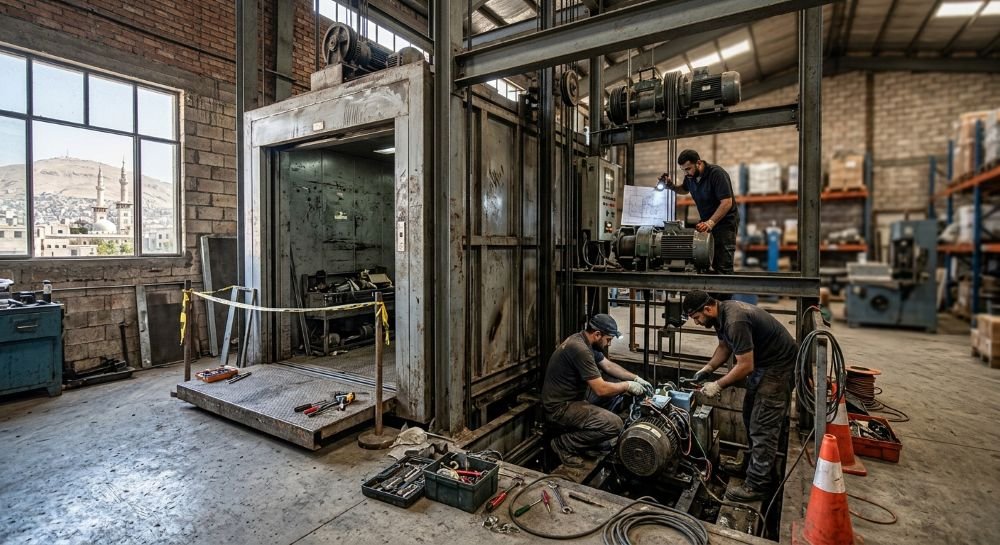
Freight elevators work harder than passenger units. They carry heavy, uneven loads, take repeated impacts from pallet jacks and forklifts, and often run in dusty, hot, or humid conditions. Small problems such as a slightly worn rope, a weeping seal, or a misaligned door roller can grow into major failures under this stress.
Preventive maintenance interrupts that chain. Regular inspection, lubrication, adjustment, and testing catch wear before it becomes breakage. This extends the life of both hydraulic and traction freight elevators and keeps them performing consistently.
The cost case is well supported. Studies indicate that preventive maintenance can save 12% to 18% on average over reactive maintenance. That figure comes from general facilities guidance such as the U.S. Department of Energy’s O&M Best Practices Guide, not from elevators specifically. Still, the direction is clear: planned work costs less than emergency repair, and it avoids the hidden cost of lost production. icma
Preventive maintenance also supports compliance. Most jurisdictions require periodic inspection and testing under codes such as ASME A17.1 in North America or EN 81 in Europe. A documented maintenance record makes those inspections smoother and protects you if an incident occurs.
Safety Protocols Before Freight Elevator Maintenance
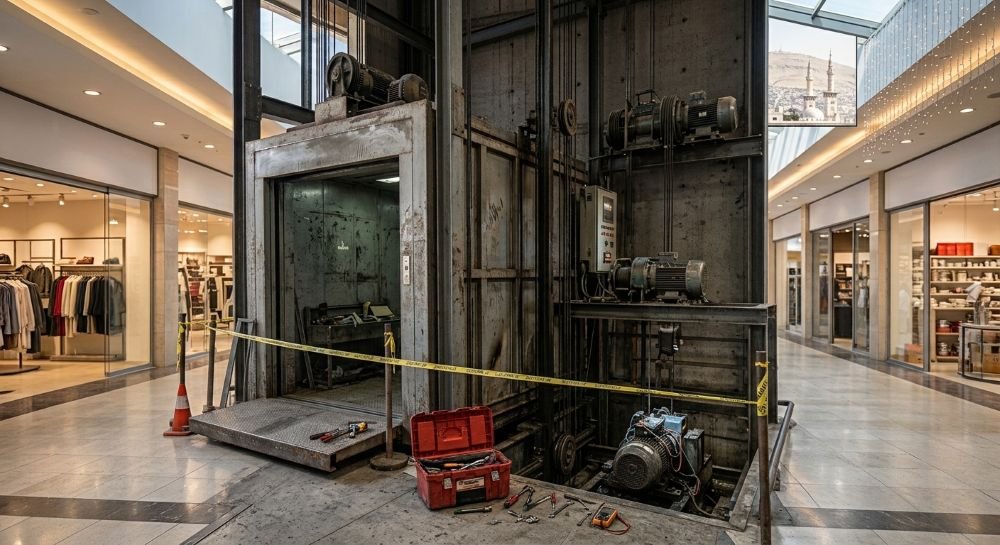
Elevator maintenance is not a job for general staff. Work in the pit, on top of the car, or in the machine room should be done only by qualified elevator technicians.
Facility teams still play a key role in keeping people safe:
- Lockout and tagout: Isolate power and tag the unit before any work begins.
- Restrict access: Post clear signage and block landings while the elevator is out of service.
- Never bypass safety devices: Door interlocks, limit switches, and safety circuits must never be jumped or disabled, even temporarily.
- Respect load ratings: Display the rated capacity clearly, and remember that forklift plus load counts toward it.
- Keep records: Log every inspection, repair, and test with dates and technician names.
Step-by-Step Preventive Maintenance Checklist
The checklist below covers the main systems. Always follow the manufacturer’s manual and local code, and treat this as a framework rather than a replacement for a professional inspection.
1. Steel Cables and Sheaves (Traction Elevators)
- Inspect ropes for broken strands, corrosion, flattening, and uneven tension.
- Check rope diameter against manufacturer limits, since reduction signals internal wear.
- Examine sheave grooves for wear that can damage new ropes.
- Confirm rope fasteners and shackles are secure and undamaged.
2. Hydraulic System (Hydraulic Elevators)
- Check fluid level and condition, and watch for cloudiness, foaming, or overheating.
- Inspect the cylinder, piping, hoses, and fittings for leaks and seepage.
- Check seals, and watch for cars that drift downward at a landing.
- Verify pump and valve operation, and note unusual noise or temperature.
3. Brakes, Governor, and Safeties
- Test the machine brake for proper holding and smooth release (traction).
- Verify the overspeed governor and safety gear function as designed.
- Inspect buffers in the pit for damage, leakage, or corrosion.
- Check hydraulic pressure relief and rupture valves, where fitted.
4. Door Interlocks and Gates
- Test every landing door interlock so the car cannot move with a door open.
- Inspect door tracks, rollers, hangers, and gibs for wear and debris.
- Check door edges, sensors, and closing force, especially on vertical bi-parting doors.
- Confirm gate contacts and safety edges respond correctly.
5. Electrical Controls and Wiring
- Inspect the control panel for loose terminals, overheating signs, or burned contacts.
- Check contactors, relays, and drives for wear or arcing.
- Verify limit switches, levelling sensors, and emergency stop function.
- Test the alarm, emergency lighting, and communication system.
6. Car, Shaft, and Pit
- Clean the pit, and check for water, debris, and oil.
- Inspect guide rails, guide shoes, and lubrication.
- Examine the car floor, walls, and threshold for impact damage.
- Confirm load signage and overload devices are working.
Maintenance Intervals: Monthly vs. Quarterly vs. Annual
Actual intervals depend on usage, environment, manufacturer instructions, and local regulations. Heavy, continuous-duty operations often need more frequent attention than the table suggests.
| Task Area | Monthly | Quarterly | Annual |
|---|---|---|---|
| Door interlocks and gates | Test function and clean tracks | Adjust rollers and check wear | Full inspection and component replacement as needed |
| Ropes and sheaves | Visual check | Measure wear and tension | Detailed inspection and replacement decision |
| Hydraulic fluid and leaks | Check level and look for leaks | Inspect seals, hoses, and fittings | Fluid analysis, filter service, and pressure testing |
| Brakes and safeties | Observe stopping behavior | Inspect brake wear and adjustment | Full safety and governor testing per code |
| Electrical controls | Check alarm, lights, and stop button | Inspect contactors and terminals | Thorough panel service and thermal check |
| Pit and shaft | Clean and inspect for water or debris | Inspect buffers and guide shoes | Complete pit, rail, and buffer inspection |
| Documentation | Update logs | Review trends and repeated faults | Formal audit and code inspection |
Common Industrial Challenges and Solutions
Power Grid Fluctuations
Voltage sags, surges, and sudden outages can damage motors, drives, and control boards. Repeated restarts also stress contactors and hydraulic components.
- Install surge protection and voltage monitoring on the elevator feeder.
- Use a UPS, inverter, or generator link so the car can reach a landing during an outage.
- Consider an automatic rescue device that lowers the car to the nearest floor.
- Inspect electrical connections often, because heat cycles loosen terminals.
Heavy Load Stress
Constant heavy loading, impact from forklifts, and occasional overloading accelerate wear on ropes, guides, doors, and floors.
- Train operators on the rated load, including the weight of the forklift.
- Install overload devices and clear signage.
- Reinforce the car floor and add protective panels where impacts are frequent.
- Shorten inspection intervals for units that run around the clock.
Dust and Debris Accumulation
Factory and warehouse dust settles on door tracks, in the pit, and on electrical components, leading to sticking doors, overheating, and premature wear.
- Clean door tracks and sills on a regular schedule.
- Keep the pit and machine room free of dust, oil, and stored materials.
- Protect control panels with proper enclosures and filtered ventilation.
- Use sealed or covered components where the environment is harsh.
Early Warning Signs of Failure
Operators see the elevator every day and are often the first to notice trouble. Encourage them to report anything unusual immediately.
- Unusual noises: Grinding, squealing, knocking, or humming can point to worn bearings, dry rollers, pump problems, or loose components.
- Slow or inaccurate leveling: A car that stops above or below the landing, or hunts for the floor, may indicate hydraulic issues, sensor faults, or brake problems.
- Erratic door behavior: Doors that stick, reopen repeatedly, close hard, or fail to latch often signal misaligned tracks, worn rollers, or interlock trouble.
- Vibration or shaking: Rough travel can come from worn guide shoes, rail misalignment, or rope and sheave damage.
- Oil leaks or puddles: Any fluid in the pit or machine room needs prompt inspection.
- Unexplained stops or error codes: Repeated faults usually mean a component is failing.
When any of these appear, take the unit out of service if safety is in question, log the symptoms, and call a qualified technician. Waiting rarely makes the problem cheaper.
Conclusion: Schedule a Professional Maintenance Audit
Reliable freight elevators do not happen by accident. They result from a documented plan, trained operators, disciplined inspections, and prompt response to early warning signs. That approach protects your people, your production schedule, and the capital you have invested in the equipment.
If you cannot say with confidence when your freight elevator was last fully inspected, or you have seen any of the warning signs above, now is the time to act. Schedule a professional maintenance audit with a qualified elevator service provider. A thorough audit will identify hidden wear, verify safety systems, and give you a clear, prioritized plan to reduce downtime and stay compliant.