
Safety Features for Home Elevators
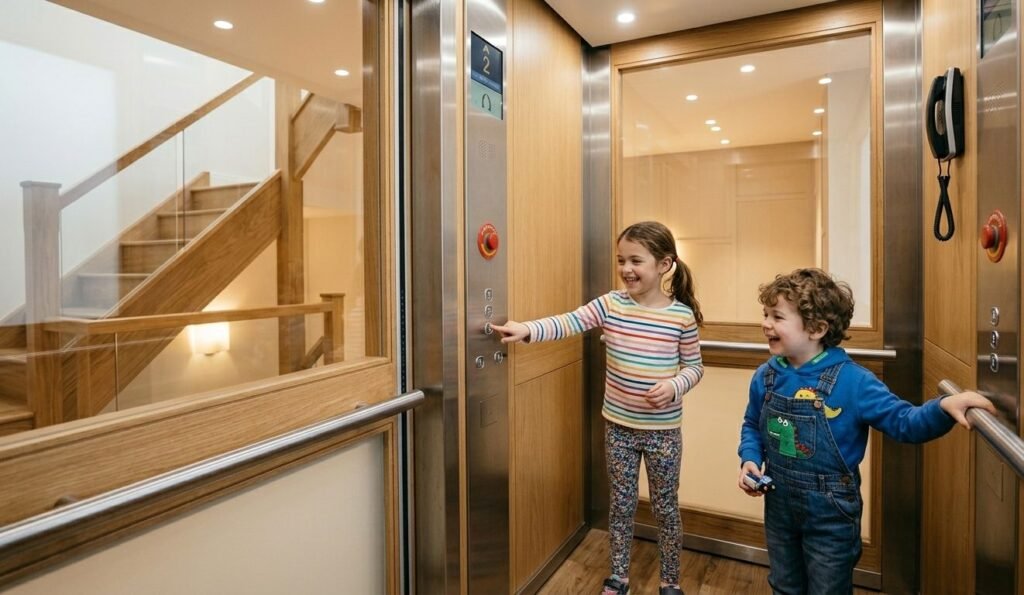
Three seconds. That’s how long it took for a Damascus family’s world to change when their 6-year-old daughter’s hand slipped between the elevator gate and landing door. The old system lacked proper door sensors and interlocks. Fortunately, emergency brakes engaged immediately, preventing tragedy. But it didn’t have to happen at all.
Home elevator safety isn’t optional—it’s fundamental. Every residential elevator must comply with the ASME A17.1/CSA B44-2016 Safety Code, setting benchmarks for weight limits, speed, and crucial safety protocols. Yet many Syrian homeowners purchase elevators based solely on aesthetics or price, overlooking the safety features that protect their families from accidents, injuries, and even fatalities.
This comprehensive guide reveals the absolutely essential safety features every home elevator requires. You’ll discover which protections are non-negotiable, how international safety standards apply to Syrian installations, and which additional safeguards address Syria-specific challenges like power fluctuations and seismic activity. Whether you’re installing a new elevator or evaluating an existing system, understanding these safety requirements ensures your family’s protection while maintaining property value and regulatory compliance.
Understanding Home Elevator Safety Standards and Regulations
Home elevator safety begins with compliance to established international standards. These regulations evolved through decades of engineering analysis, accident investigation, and continuous improvement. Syrian installations benefit from these global safety frameworks while requiring additional considerations for local operating conditions.
ASME A17.1/CSA B44 Safety Code Fundamentals
The American Society of Mechanical Engineers ASME A17.1 Safety Code for Elevators and Escalators represents the gold standard for elevator safety worldwide. Section 5.3 specifically addresses private residence elevators, establishing minimum requirements for dimensions, capacity, safety features, and operational characteristics. This voluntary standard has been adopted by most jurisdictions as mandatory regulation.
The code mandates maximum cab area of 15 square feet for residential elevators, ensuring systems remain appropriately scaled for home use. Speed limitations, weight capacity requirements, and safety device specifications protect passengers while maintaining practical functionality. Syrian buyers should verify their elevator suppliers certify compliance with current ASME A17.1 editions.
Regular updates to the ASME code incorporate new safety technologies and address emerging hazards. Elevators manufactured to older standards may lack modern protections even if they met previous requirements. Professional safety inspections identify gaps between existing installations and current codes, allowing targeted upgrades enhancing protection.
Syrian Building Code Considerations
Syrian building regulations increasingly incorporate international elevator safety standards while recognizing local conditions. Seismic requirements reflect regional earthquake risk, mandating specific bracing and emergency procedures. Electrical specifications account for power quality variations common in Syrian infrastructure.
Municipal inspection requirements vary by jurisdiction within Syria. Damascus, Aleppo, and other major cities maintain dedicated elevator inspection departments ensuring compliance before operation permits issue. Rural areas may have less formal inspection processes but still require professional certification of safety compliance.
Working with experienced Syrian elevator professionals ensures installations meet both international standards and local regulatory requirements. These experts navigate permitting processes, schedule required inspections, and address jurisdiction-specific safety considerations often invisible to international suppliers unfamiliar with Syrian market conditions.
Critical Safety Features: The Non-Negotiable Protections
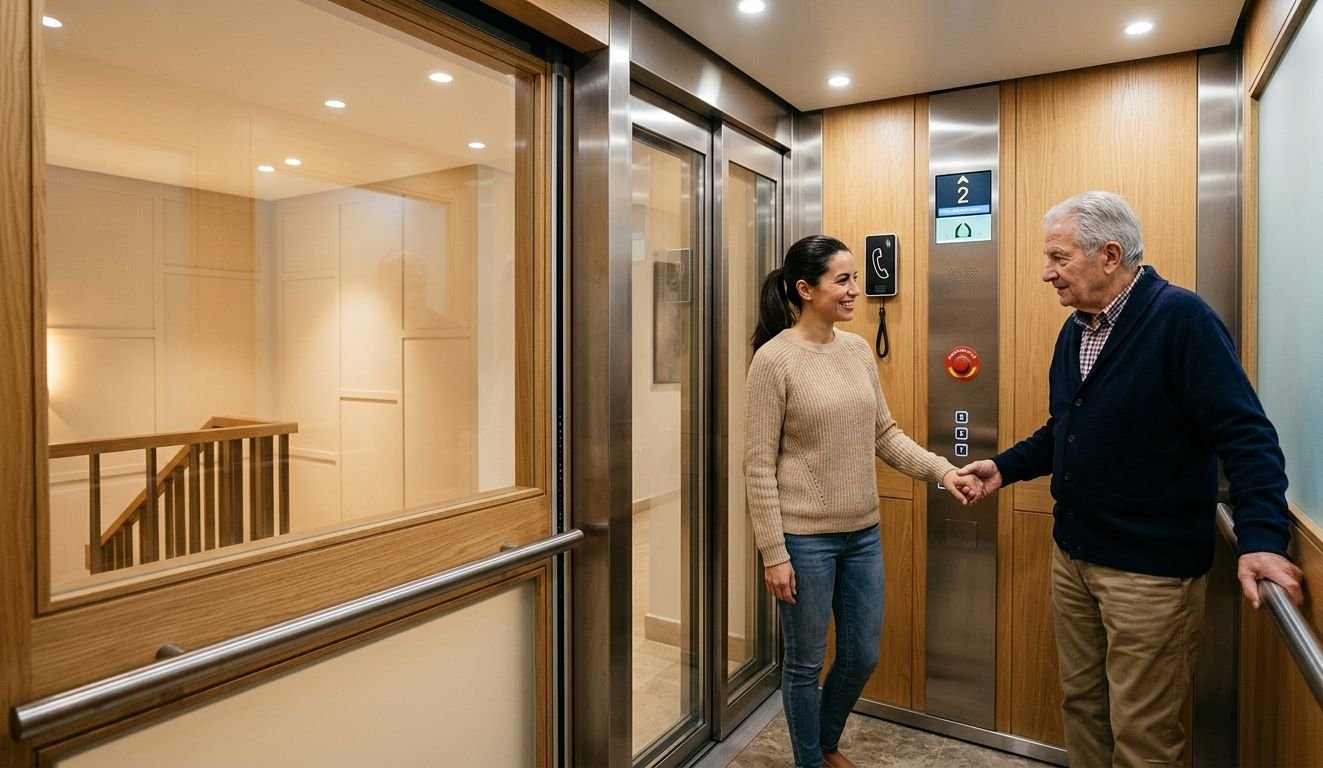
Certain safety features separate secure elevators from dangerous ones. These protections function as interconnected layers, each addressing specific failure modes. Syrian homeowners must verify every safety feature’s presence and proper function before accepting elevator installations.
Door Safety Systems and Interlocks
Door interlocks represent the primary defense preventing passengers from stepping into empty shafts or elevators moving with open doors. These electromechanical devices ensure doors remain locked unless the cab rests precisely at the landing. Attempting to force doors open triggers immediate emergency stop sequences.
The infamous door gap safety issue caused numerous child injuries before regulatory changes. Original standards allowed 3-inch by 5-inch gaps between gate and landing doors—sufficient space for children’s limbs to penetrate. Current regulations mandate maximum 0.75-inch by 4-inch clearances, dramatically reducing entrapment risk.
Syrian installations must incorporate automatic door operation preventing manual forcing. Power-operated doors with low-energy compliance open and close smoothly while stopping immediately upon detecting obstruction. Door reopening sensors using photoelectric beams or pressure-sensitive edges prevent closing on passengers, luggage, or mobility aids.
Child safety locks provide additional protection when elevators serve families with young children. These locks prevent unauthorized elevator operation, ensuring children cannot summon or operate elevators without adult supervision. Syrian families with multi-generational households particularly value these features given extended family living arrangements.
Emergency Brake and Overspeed Protection
Emergency brake systems engage automatically if elevator speed exceeds safe limits, providing fail-safe protection against free-fall scenarios. These mechanical devices operate independently of electrical systems, functioning even during complete power loss. Weighted governor mechanisms detect excessive speed, triggering brake engagement through purely mechanical linkages.
Modern elevators incorporate multiple redundant braking systems. Primary brakes hold the cab when stopped. Secondary brakes engage if primary systems fail. Final safety brakes activate during overspeed conditions, clamping guide rails and bringing cabs to controlled stops. This layered approach ensures passenger safety even through multiple component failures.
Syrian electrical grid instability makes emergency brakes particularly critical. Power fluctuations causing unexpected elevator movement immediately trigger brake engagement. Systems designed for international markets may lack sufficient brake redundancy for Syrian power quality challenges, making proper specification essential during purchase.
Battery Backup and Emergency Lowering
Battery backup systems maintain critical elevator functions during power outages, particularly important given Syrian electrical infrastructure challenges. These systems provide sufficient power for multiple trips, allowing passengers to safely exit and return cabs to ground floor. Emergency lighting, communication systems, and door operation continue functioning throughout outages.
Automatic rescue devices detect power failures and automatically lower elevators to the nearest floor, opening doors to allow passenger exit. This crucial feature prevents passengers becoming trapped during the frequent power interruptions experienced in Syrian infrastructure. Systems should provide 4-6 hours of emergency operation covering typical Syrian outage durations.
Manual emergency lowering provides backup when battery systems exhaust or fail. Building managers or service technicians can manually lower stranded cabs using hand cranks or hydraulic release valves. Syrian installations should include this redundant capability given potential for extended power outages exceeding battery capacity.
Emergency Communication Systems
Two-way communication systems enable trapped passengers to contact emergency services or building management. Modern systems include both telephone and video capabilities, allowing responders to assess passenger condition and provide reassurance during rescue operations. Cellular backup ensures communication during landline failures common in Syrian infrastructure.
Emergency call buttons should be illuminated, clearly marked, and positioned for wheelchair user accessibility. Automatic dialing to pre-programmed numbers eliminates confusion during emergencies. Video feed enables emergency personnel to evaluate medical conditions, claustrophobia reactions, or other complications requiring specialized response.
Syrian installations benefit from multi-number emergency contact programming. Systems should dial building security, elevator service companies, and public emergency services in sequence until contact establishes. This redundancy accounts for telephone network reliability issues that may prevent reaching specific numbers.
Overload Sensors and Weight Monitoring
Weight sensors prevent elevator operation when passenger and cargo loads exceed safe capacity. Exceeding weight limits causes excessive component stress, brake wear, and potential safety system failure. Modern sensors provide precise weight measurement, alerting passengers before accepting potentially dangerous loads.
Visual and audible alarms indicate overload conditions, prompting passengers to reduce load before travel. Elevators refuse operation until weight falls within safe parameters. This forced compliance prevents the common tendency to slightly exceed limits, gradually degrading safety margins through repeated overloading.
Syrian extended family gatherings and furniture moving create higher overload risk than typical Western usage patterns. Capacity specifications should account for these cultural usage differences, providing adequate margins above typical daily loads. Real-time weight display helps passengers self-monitor, reducing overload frequency.
Smooth Leveling and Anti-Slip Protection
Precise leveling systems ensure elevator floors align exactly with landing floors, eliminating trip hazards. Misalignment of even one inch creates fall risks, particularly dangerous for elderly passengers, those using mobility aids, or carrying heavy items. Advanced systems maintain alignment within quarter-inch tolerances.
Anti-slip flooring materials provide secure footing during acceleration, deceleration, and door operations. Textured surfaces prevent slipping on wet footwear common during Syrian winter rains. Handrails positioned at appropriate heights give passengers secure gripping points, especially valuable during sudden stops or starts.
Smooth acceleration and deceleration profiles minimize passenger discomfort and fall risk. Sudden movements catch passengers off-balance, particularly elderly individuals with reduced stability. Quality control systems limit maximum acceleration rates while maintaining reasonable travel times, balancing safety with efficiency.
Syria-Specific Safety Enhancements
Syrian operating conditions require safety features beyond standard international specifications. Power quality issues, seismic activity, and environmental factors create unique hazards demanding targeted protective measures. These enhancements transform elevators designed for ideal conditions into systems resilient enough for Syrian realities.
Power Quality Protection Systems
Wide voltage tolerance protecting against Syrian grid fluctuations prevents safety system failures during power quality events. Standard elevators designed for stable 220V operation may malfunction when voltage swings 180-260V, common in Syrian infrastructure. Enhanced power supplies maintain safe operation across this entire voltage range.
Surge protection safeguards sensitive safety electronics from damage during power restoration after outages. Voltage spikes accompanying grid reconnection destroy unprotected components, potentially disabling safety systems. Multi-stage surge suppressors absorb these transients, preventing safety system degradation.
Brownout detection triggers controlled shutdown rather than allowing degraded operation with compromised safety margins. Operating elevators at reduced voltage stresses motors, weakens brake force, and slows safety response times. Automatic shutdown during insufficient power prevents dangerous degraded operation.
Seismic Activity Safeguards
Earthquake detection systems recognize seismic activity and automatically move elevators to designated safe floors, preventing mid-shaft entrapment during earthquakes. Syria’s location near the Dead Sea Transform fault system creates moderate seismic risk requiring protective measures often omitted in regions with lower earthquake frequency.
Seismic bracing prevents shaft misalignment during earthquakes that would jam elevator movement. Building structure deformation during seismic events can bind elevator guide rails, trapping cabs mid-shaft. Flexible mountings and seismic gaps allow building movement without transferring destructive forces to elevator components.
Post-earthquake inspection protocols prevent operation until professional assessment confirms system integrity. Earthquakes may damage components invisibly, creating latent failures manifesting catastrophically during subsequent use. Mandatory inspection before operation resumption protects against these hidden hazards.
Environmental and Climate Adaptations
Dust-sealed control cabinets protect sensitive electronics from Syrian sandstorm infiltration that degrades safety system reliability. Airborne particles penetrate inadequately sealed enclosures, causing short circuits, sensor contamination, and mechanical interference. NEMA-4 or IP-65 rated enclosures prevent dust ingress.
Temperature-compensated components maintain proper operation despite Syrian temperature extremes from freezing winters to 45-degree summers. Hydraulic fluid viscosity, brake friction coefficients, and electronic component performance vary with temperature. Climate-appropriate specifications ensure consistent safety system performance year-round.
Ventilation systems prevent dangerous heat buildup in enclosed shafts during Syrian summers. Excessive temperatures create passenger discomfort and accelerate component degradation. Passive ventilation or active cooling maintains safe operating temperatures throughout seasonal extremes.
Advanced Safety Technologies Worth Considering
Beyond mandatory safety features, advanced technologies provide additional protection layers particularly valuable for vulnerable populations or challenging installation environments. These optional enhancements deliver measurable safety improvements justifying their investment premiums.
Predictive Safety Monitoring
AI-powered predictive maintenance identifies safety system degradation before failures occur. Sensors monitor brake wear, door operation timing, leveling accuracy, and countless other parameters. Machine learning algorithms detect subtle performance changes indicating approaching component failures, enabling preventive replacement.
Industry data shows approximately 80 percent of elevator failures are preceded by detectable anomaly signatures 7-21 days before breakdown. Continuous monitoring captures these warning signs, converting catastrophic failures into scheduled maintenance. Syrian part availability challenges make this advance warning particularly valuable.
Video Monitoring and Recording
Security cameras inside cabs deter vandalism while providing incident documentation for accident investigation. Real-time monitoring enables building security to observe distressed passengers and dispatch assistance. Recording provides objective evidence for insurance claims and liability disputes.
Syrian security concerns make camera systems valuable beyond safety functions. Residential burglary prevention, unauthorized access documentation, and general security monitoring integrate elevator cameras into comprehensive building protection systems. Privacy-aware implementations activate recording only during safety events.
Automatic External Defibrillator Integration
AED mounting brackets and emergency power for defibrillators enable immediate cardiac emergency response. Elevator entrapment during cardiac events creates life-threatening delays reaching medical care. Onboard AEDs allow bystanders to provide critical intervention while awaiting rescue.
Syrian buildings with elderly residents or those housing individuals with cardiac conditions benefit particularly from AED integration. Extended emergency response times in Damascus traffic or rural areas increase cardiac arrest mortality. Immediate defibrillation access dramatically improves survival rates.
Safety Through Inspection and Maintenance
Even the most sophisticated safety features fail without proper maintenance and inspection. Syrian elevator owners must establish comprehensive maintenance programs ensuring safety systems remain functional throughout elevator lifespan. Regular professional attention prevents gradual degradation that invisibly compromises protection.
Required Inspection Frequencies
Annual professional inspections represent minimum acceptable practice per ASME A17.3 standards governing existing elevators. Certified inspectors evaluate all safety systems, testing emergency brakes, door interlocks, communication devices, and backup power. Inspection certificates must be displayed within cabs and filed in building maintenance records.
Monthly visual inspections by building staff supplement annual professional examinations. These basic checks verify door operation, emergency lighting function, communication system operation, and visible component condition. Systematic monthly documentation creates maintenance history identifying developing problems.
Syrian power quality challenges may warrant more frequent safety system testing than international standards mandate. Electrical stress from voltage fluctuations and surges accelerates component aging. Quarterly safety system verification ensures protective devices remain functional despite accelerated wear.
Critical Maintenance Focus Areas
Door systems require particular attention as the most frequent failure point in residential elevators. Daily use cycles create wear on rollers, tracks, sensors, and motors. Quarterly lubrication, alignment verification, and sensor calibration maintain reliable operation. Door-related accidents represent significant injury sources preventable through diligent maintenance.
Brake systems demand semi-annual inspection and testing under load conditions. Brake pad wear, hydraulic pressure loss, or mechanical linkage deterioration compromise emergency stopping ability. Load testing verifies brakes can arrest full-weight cabs traveling at maximum speed, confirming adequate safety margins.
Emergency communication and backup power systems need monthly testing ensuring availability during actual emergencies. Battery degradation often goes unnoticed until power failures reveal insufficient capacity. Regular discharge and recharge cycles maintain battery health while verifying communication equipment functions properly.
Upgrading Existing Elevators to Current Safety Standards
Many Syrian homes contain elevators installed years ago under previous safety standards. While these systems may have met requirements when manufactured, current codes mandate features absent from older installations. Modernization programs bring legacy elevators into compliance while adding contemporary protections.
Identifying Safety Deficiencies
Professional safety audits compare existing elevator features against current ASME A17.1 requirements, identifying gaps requiring remediation. Door spacing, emergency communication, backup power, and numerous other specifications evolved significantly since older Syrian elevator installations occurred. Audit reports prioritize deficiencies by safety impact.
The door gap safety issue particularly affects older installations. Elevators manufactured before current 0.75-inch by 4-inch clearance standards pose child entrapment hazards. Retrofit solutions include door build-outs filling excessive gaps or relocating landing doors closer to shaft openings, relatively affordable modifications dramatically improving safety.
Cost-Effective Upgrade Strategies
Phased upgrade approaches address highest-priority safety deficiencies first while spreading costs over time. Emergency communication, backup power, and door safety typically warrant immediate attention given direct life-safety implications. Cosmetic updates or convenience features can wait until budget permits.
Controller modernization often enables adding multiple safety features simultaneously through software rather than mechanical changes. New controllers incorporate door sensors, overload detection, emergency protocols, and diagnostic capabilities absent from original equipment. Single controller replacement upgrades numerous safety systems cost-effectively.
Syrian homeowners should obtain multiple upgrade proposals from qualified contractors. Competitive bidding reveals cost variations while contractor discussions identify creative solutions addressing safety requirements within budget constraints. Financing options may be available for comprehensive safety modernization projects.
Frequently Asked Questions About Home Elevator Safety
What are the absolutely essential safety features every home elevator must have?
Every home elevator requires door interlocks preventing operation with open doors, emergency brakes engaging during overspeed conditions, battery backup for power outage operation, two-way emergency communication, overload sensors preventing excess weight operation, and proper door gap spacing preventing child entrapment. These six features represent non-negotiable minimum protection. Additional features enhance safety but these core systems prevent the most common serious accidents.
How do I know if my existing home elevator meets current safety standards?
Professional safety inspections by certified elevator technicians compare your installation against current ASME A17.1 requirements, identifying deficiencies. Focus particularly on door gap spacing—older elevators often exceed current 0.75-inch by 4-inch maximum clearances creating child entrapment hazards. Emergency communication, backup power, and proper interlocking should also be verified. Annual inspections are mandatory for maintaining both safety and insurance coverage.
Are home elevators safe during Syrian power outages?
Modern elevators with proper battery backup systems remain safe during outages, automatically lowering to the nearest floor and opening doors for passenger exit. Battery systems should provide 4-6 hours of emergency operation, sufficient for typical Syrian outage durations. However, older elevators lacking backup power may strand passengers until power restores. Battery backup is essential for Syrian installations given frequent power interruptions.
What should I do if I am trapped in a home elevator?
Press the emergency call button to contact building management or emergency services via the two-way communication system. Remain calm and do not attempt to force doors open or escape through ceiling hatches—both actions create greater danger. Modern elevators maintain adequate ventilation during entrapment. Emergency personnel will safely extract you. Never jump or rock the cab as this interferes with rescue operations.
How often should home elevators undergo safety inspections?
Professional safety inspections must occur annually at minimum per ASME A17.3 standards. Syrian power quality challenges may warrant semi-annual inspections given accelerated electrical component wear. Monthly visual checks by building staff supplement professional inspections. Any unusual noises, door operation changes, rough leveling, or other performance anomalies warrant immediate professional evaluation regardless of inspection schedule.
Can children safely use home elevators?
Children can safely use properly maintained elevators meeting current safety standards including child-proof door gaps, interlocks, and overload sensors. However, young children should always be supervised during elevator use. Child safety locks preventing unauthorized operation provide additional protection. Teach children never to play in elevators, force doors, or jump inside cabs. Proper education combined with modern safety features creates safe elevator access for all family members.
What makes Syrian elevator safety requirements different from international standards?
Syrian installations require additional protections for power quality issues including wide voltage tolerance, surge protection, and extended battery backup. Seismic safeguards address regional earthquake risk. Climate adaptations handle temperature extremes and dust infiltration. While meeting international ASME A17.1 standards, Syrian elevators need supplementary features addressing local infrastructure and environmental challenges absent in locations with stable power and benign climates.
How much does upgrading an older elevator to current safety standards cost?
Upgrade costs vary dramatically based on existing deficiencies and required modifications. Simple door gap remediation costs 2,000-5,000 dollars. Adding emergency communication runs 1,500-3,000 dollars. Comprehensive modernization including controller replacement, safety system upgrades, and backup power ranges 15,000-40,000 dollars. Professional safety audits identify specific requirements enabling accurate cost estimation. Phased upgrades spread expenses while addressing highest-priority safety issues first.
Protecting Your Family Through Comprehensive Elevator Safety
Home elevator safety begins with understanding that multiple integrated protective layers create secure vertical transportation systems. No single feature prevents all accidents—comprehensive protection requires proper door interlocks, emergency brakes, backup power, communication systems, overload sensors, and numerous supporting safeguards working synergistically.
Syrian installations demand safety features exceeding baseline international standards. Power quality protection, seismic safeguards, and climate adaptations address local challenges absent from ideal operating environments. These enhancements transform elevators designed for stable infrastructure into systems resilient enough for Syrian realities.
Older elevator installations may lack modern safety protections despite meeting previous standards. Professional safety audits identify deficiencies enabling targeted upgrades bringing legacy systems into current compliance. The modest investment in safety modernization prevents catastrophic accidents while maintaining property values and insurance coverage.
Regular maintenance and inspection sustain safety system functionality throughout elevator lifespan. Even sophisticated protective devices fail without professional attention. Annual inspections, monthly testing, and prompt response to performance anomalies maintain the protective capabilities justifying elevator safety investment.
Ensure Your Family’s Safety with Expert Elevator Protection. Hard System brings comprehensive expertise ensuring every home elevator installation incorporates complete safety protection adapted for Syrian operating conditions. Our team verifies compliance with international ASME A17.1 standards while adding crucial safeguards addressing Syrian power quality, seismic risk, and environmental challenges. We conduct thorough safety audits of existing installations, identifying deficiencies and recommending cost-effective upgrades. Our maintenance programs keep safety systems functioning optimally through regular professional inspection and testing. From initial specification through decades of reliable service, Hard System protects Syrian families through uncompromising commitment to elevator safety excellence. Contact Hard System today to schedule your complimentary safety consultation and discover how we transform elevator safety from checklist compliance into comprehensive family protection.
External Resources and Safety Standards
- ASME A17.1 Safety Code for Elevators – Inclinator Guide – Comprehensive overview of residential elevator safety standards and requirements
- U.S. Access Board – Elevator and Platform Lift Requirements – Official ADA standards and accessibility requirements for residential elevators