
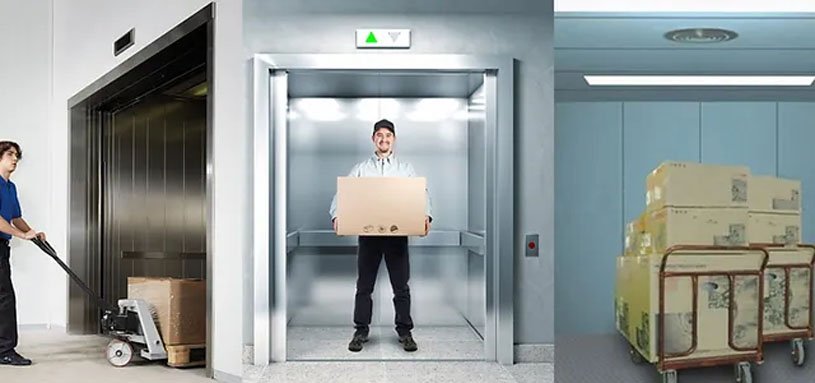
Why Freight Elevator Dimensions Matter
Choosing the right Freight Elevator Dimensions is essential for smooth and safe warehouse operations.
An elevator that is too small for pallets or not strong enough for forklifts quickly becomes a bottleneck that slows daily work.
The right planning makes a real difference. Selecting correct freight elevator dimensions and loading classes improves workflow and reduces downtime.
In fact, according to a recent study by the International Association of Elevator Consultants (IAEC), integrating freight elevators can increase warehouse productivity by up to 40%.
With hands-on experience in Damascus Industrial City and Sheikh Najjar, Hard-System supports Syrian industries in choosing freight elevators that fit their operational needs and safety standards.
Decoding Loading Classes: The Class A to C Guide
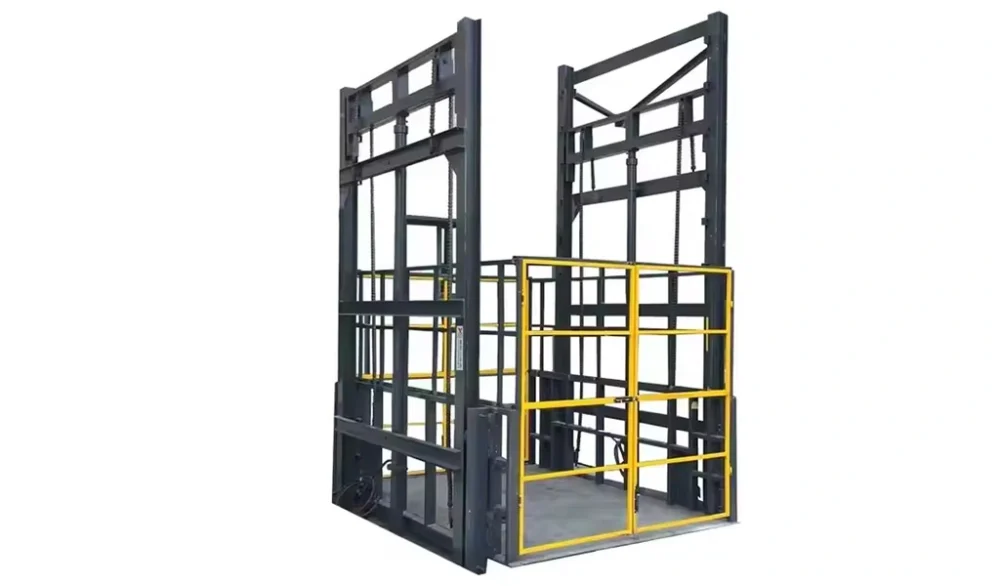
Before selecting the right Freight Elevator Dimensions, it is important to choose the correct loading class.
Each class is designed for a specific type of use and load level, which directly affects safety, performance, and lifespan.
Class A – General Freight Loading
These elevators are designed primarily as a manual load or hand truck freight elevators. It is commonly used in light industrial and storage facilities.
To ensure safe operation, no single item should exceed 25% of the elevator’s rated capacity.
Standard cabin sizes usually range from 6 to 8 feet wide and 8 to 10 feet deep.
Class B – Motor Vehicle Loading
These freight elevators are specifically designed to transport automobiles and/or light trucks.
Typical applications for Class B elevators include: automobile dealership showrooms, automotive service centers, and automobile parking structures.
These elevators require larger cabins, typically 10 feet or more in width and 20 feet or more in depth, to safely handle vehicle loads.
Class C – Industrial Heavy Load
Class C which is designed for high-capacity industrial usage and as a place to operate a Forklift.
- C1 is an elevator that allows you to take your forklift into the elevator with you.
- C2 has a static loading capacity of up to 150% rated capacity, meaning that the forklift can stay inside while you’re loading goods into the elevator.
- C3 is used for large concentrated and heavy-weight loads, where you would not take the fork lift into the elevator.
The first thing to do when selecting freight elevator sizes and dimensions is to determine the appropriate class for your freight.
Standard Freight Elevator Dimensions (2026 Reference Table)
Understanding standard Freight Elevator Dimensions helps architects, engineers, and builders plan the right shaft size and cabin layout from the start.
While dimensions can be customized, the following ranges are commonly used in industrial projects in 2026.
| Capacity (lbs) | Capacity (kg) | Cabin Width (ft–in) | Cabin Depth (ft–in) | Shaft Width (ft–in) |
| 4,000 lbs | 1,814 kg | 6′ – 0″ | 8′ – 0″ | 8′ – 4″ |
| 5,000 lbs | 2,268 kg | 7′ – 0″ | 10′ – 0″ | 9′ – 4″ |
| 8,000 lbs | 3,629 kg | 8′ – 4″ | 12′ – 0″ | 10′ – 8″ |
| 10,000 lbs | 4,536 kg | 10′ – 4″ | 14′ – 0″ | 12′ – 10″ |
| 20,000 lbs+ | 9,072 kg+ | 12′ – 4″ | 20′ – 0″ | 14′ – 10″ |
The listed dimensions are representative of the freight elevator sizes that are standard in the industry for 2026.
However, actual Freight Elevator Dimensions might vary based on; Loading Class; Door Configuration; Drive Type; and Local safety codes.
To ensure that you choose the best option for your Depot/Warehouse/Industrial Facility, an on-site assessment is advisable.
Vertical Clearance: Height and Pit Requirements
Vertical clearance is a key part of planning the right Freight Elevator Dimensions.
Proper clearance ensures safe operation, smooth movement, and long-term reliability.
Cabin Height
Typical height of a cabin in a freight elevator is 8′. It is suitable for the majority of pallets and goods.
However Hard-System offers customizable heights of cabins from 10-12′ for factories and warehouses with taller equipment.
Pit Depth
Pit depth typically ranges from 4′-12′. The exact pit depth is directly related to elevator speed and the type of drive system installed.
For example, hydraulic systems typically need deeper pits and a traction-based elevator may require a shallower pit but more overhead clearance.
Overhead Clearance
Overhead clearance is the space above the top floor, typically between 12 and 20 feet.
This area is essential to house motors, safety beams, and control systems, ensuring the elevator operates safely and meets all technical standards.
Careful planning of these dimensions helps avoid costly design changes and keeps your industrial workflow running efficiently.
Door Configurations: The Biparting Standard
Choosing the right door type is key to safe and efficient freight elevator use. In industrial settings, vertical biparting doors are the most reliable option.
Regular Biparting Doors
The panels move from the top and bottom and meet in the middle. This design is strong, easy to maintain, and ideal for frequent heavy loading.
Pass-Type Biparting Doors
These doors are used when floor height is limited. They offer the same safety and durability while fitting into tighter spaces.
Space-Saving Design
Vertical biparting doors do not need side clearance like sliding doors. This maximizes cabin width and makes it easier to move large pallets and equipment.
For durability, safety, and efficient use of space, vertical biparting doors remain the industry standard for freight elevators in 2026.
Maintenance & Safety in the Industrial Sector
Freight elevators in industrial sites handle heavy loads every day, so maintenance and safety are essential for reliable performance.
Built for Durability
Industrial freight elevators use heavy-duty sills, reinforced frames, and 14-gauge steel wall panels.
These features protect the cabin and support safe transport of pallets, forklifts, and machinery.
Safety Standards Compliance
All systems must meet ASME A17.1 requirements and Syrian engineering regulations.
These standards ensure safe load limits, emergency systems, and strong structural design.
Hard-System Professional Maintenance
Class C environments place high stress on elevator parts.
Hard-System provides expert maintenance and inspections to reduce downtime, improve safety, and extend equipment life.
With strong materials, certified standards, and professional support, industrial freight elevators stay safe and dependable.
Frequently Asked Questions (FAQ)
Can a passenger elevator be used as a freight lift?
No, passenger lifts are not built for concentrated loads or the “Class C” forklift impact.
How much extra space do I need for the shaft?
Generally, add at least 2 feet to the cabin width and 2–4 feet to the cabin depth for the hoistway.
Build Your Warehouse with Hard-Sy
Choosing the right freight elevator dimensions is a smart investment in safety, speed, and long-term efficiency.
When your elevator matches your real load needs, daily operations become smoother and more reliable.
Ready to upgrade your industrial logistics?
Contact Hard-System today for a customized technical survey and a clear, professional quote based on your exact freight elevator requirements